
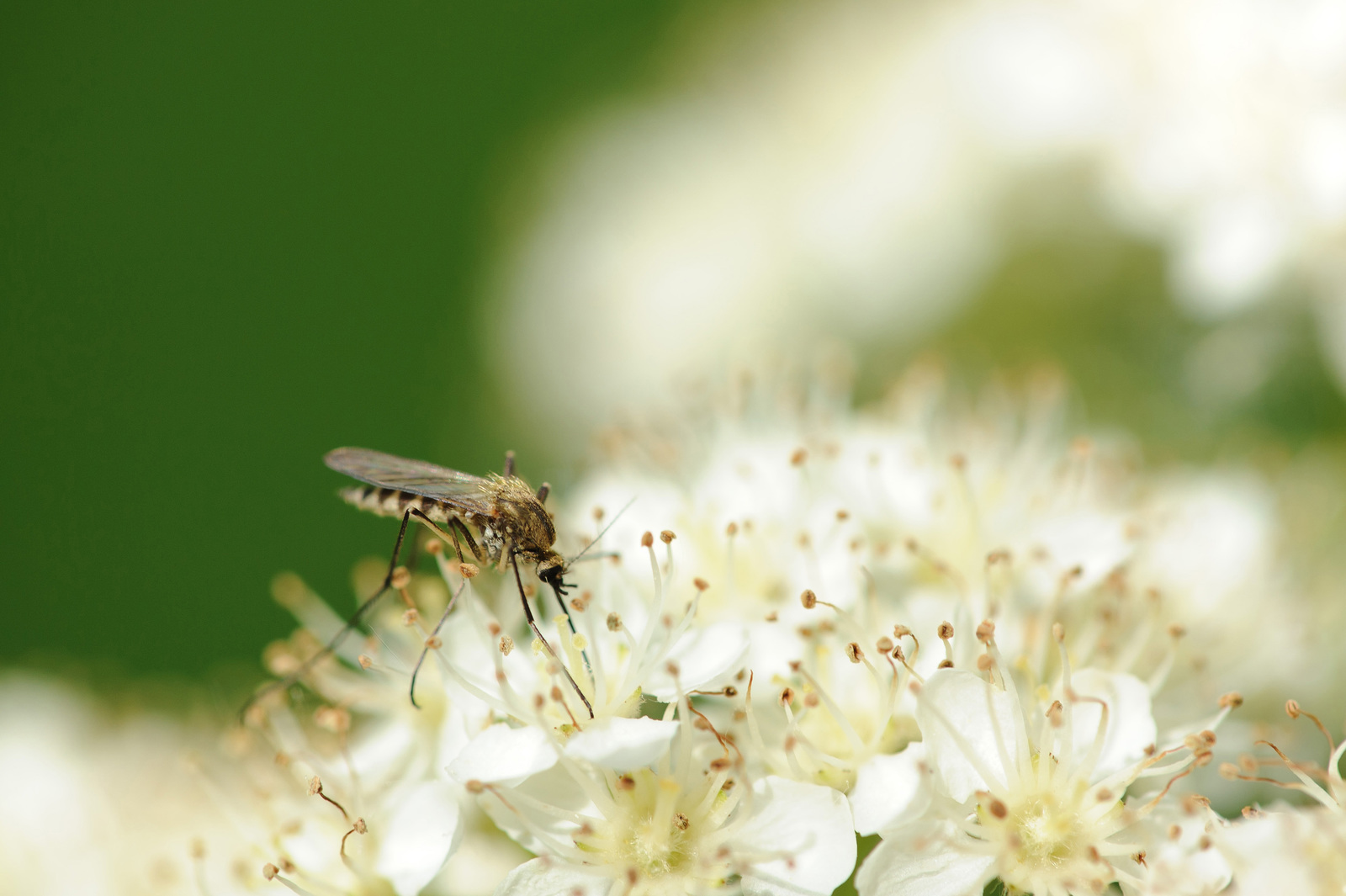
Some yards seem to draw mosquitoes like a magnet. The neighbor’s yard, meanwhile, stays fairly quiet. That difference usually comes down to a handful of conditions mosquitoes look for. Once you know what those conditions are, you can start closing the gaps.
This guide walks through the biggest mosquito attractants in Arkansas yards. It also covers what you can do about each one.
Standing Water Is the Number One Draw
Mosquitoes need water to breed, and it does not take much. A female mosquito can lay eggs in an amount smaller than a bottle cap. That fact alone explains why so many yards stay problem spots.
Common Water Sources People Miss
A few water sources hide in plain sight around most Arkansas properties.
- Clogged gutters holding water after rain
- Low spots in the lawn that pool after storms
- Old tires, buckets, or containers left outside
- Tarps with a dip that collects rainwater
- Plant saucers that sit under potted plants
Checking these spots weekly during mosquito season makes a real difference. Dumping standing water breaks the breeding cycle before eggs hatch. It takes just a few minutes but pays off across the whole season.
Bird Baths and Water Features Need Attention Too
Bird baths look nice, but they double as mosquito nurseries. Mosquito eggs can hatch in as little as a week. Changing the water every three to four days keeps the cycle from completing.
Decorative ponds and water features carry the same risk without circulation. Moving water makes it much harder for larvae to survive. A small pump or fountain can cut breeding without much extra work.
Shade and Dense Landscaping Give Mosquitoes a Place to Rest
Water gets mosquitoes started, but shade keeps adult mosquitoes comfortable during the day. Mosquitoes rest in cool, humid spots and feed around dawn and dusk.
Yards with thick shrubs or heavy tree canopy give mosquitoes plenty of hiding places. This is especially true in wooded parts of Northwest Arkansas. Even with zero standing water, a shady yard can still hold resting mosquitoes.
Thinning out dense plant beds and trimming low branches opens up airflow. That airflow helps the ground dry faster. Dry ground makes resting spots less appealing to mosquitoes. Our guide on humidity and pests in Arkansas explains how moisture ties into pest activity overall.
Clogged Gutters Create a Hidden Breeding Ground
Gutters get overlooked because they sit out of sight. That makes them one of the worst offenders around a home. Leaves and debris trap rainwater for weeks without anyone noticing.
A single clogged gutter run can produce hundreds of mosquitoes in a season. Cleaning gutters at least twice a year cuts this risk significantly. Properties with heavy tree cover may need cleaning more often. Gutter guards can reduce how fast debris builds up in the first place. Many homeowners find this small upgrade pays for itself within a season or two.
Yard Debris and Clutter Add to the Problem
Piles of leaves, grass clippings, or yard waste hold moisture close to the ground. That moisture creates the humid microclimate mosquitoes prefer for resting.
Clearing debris regularly removes both moisture and shelter. Composting bins deserve extra attention too, since they often hold dampness. Keeping compost covered or turned regularly helps limit mosquito activity nearby.
Why Prevention Alone Sometimes Falls Short
Good yard habits cut down mosquito numbers, but rarely solve the problem alone. Mosquitoes can fly one to three miles from where they hatched. A neighbor’s drainage ditch or pond can still affect your yard.
Timing matters here too. Arkansas mosquito activity typically ramps up by late April. It stays strong through September most years. Our breakdown of mosquito season in Arkansas covers how that timeline shifts based on rainfall and temperature.
Even a yard with no standing water can see pressure from nearby areas. That gap is usually where homeowners start looking at other options.
When Professional Mosquito Treatment Makes Sense
Source reduction and yard maintenance handle a lot of the work. But some situations call for a different approach. Professional treatment targets adult mosquitoes directly, not just breeding sites.
A few signs point to professional treatment being worth considering:
- Mosquito activity stays high despite removing standing water
- Your property borders wooded areas or wetlands
- Outdoor gatherings get disrupted by heavy mosquito pressure
- Family members react strongly to mosquito bites
Professional barrier treatments apply to vegetation, fence lines, and shaded resting areas. These treatments provide protection that lasts between visits. That helps during peak season when mosquito pressure builds fast. Scheduled service through the season tends to produce steadier results than a single treatment.
Building a Yard Mosquitoes Do Not Like
Reducing mosquito attraction comes down to small, steady habits. Dumping standing water weekly, keeping gutters clear, and trimming shade all work together. None of these steps take much time alone, but skipping them adds up fast.
Pay attention to the spots mosquitoes like most. That means shaded, damp areas near fences or under decks. Those spots often need the most consistent attention throughout the warm months. For more seasonal pest guidance, visit our knowledge hub. Check local service options through our pest control in Bentonville page. Visit Nature Guard Pest & Lawn to learn more about protecting your outdoor space this season.