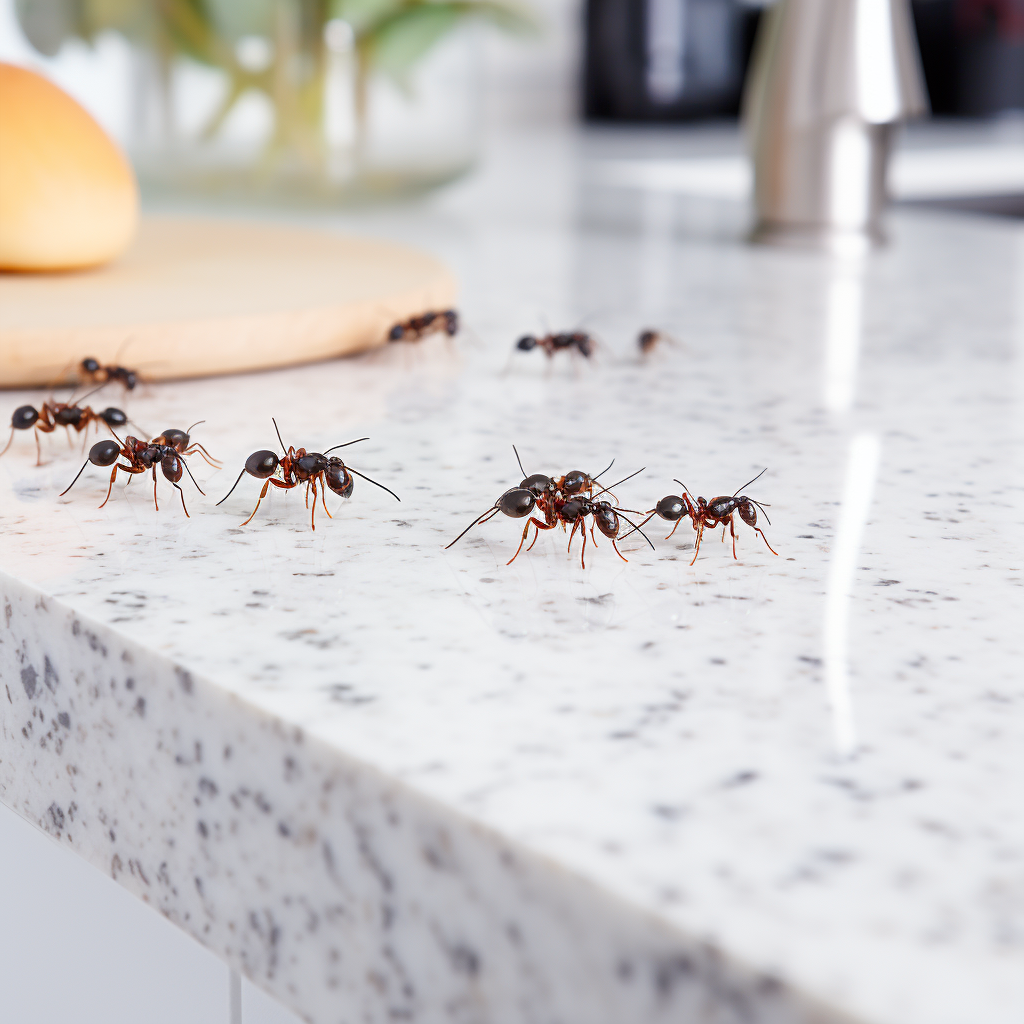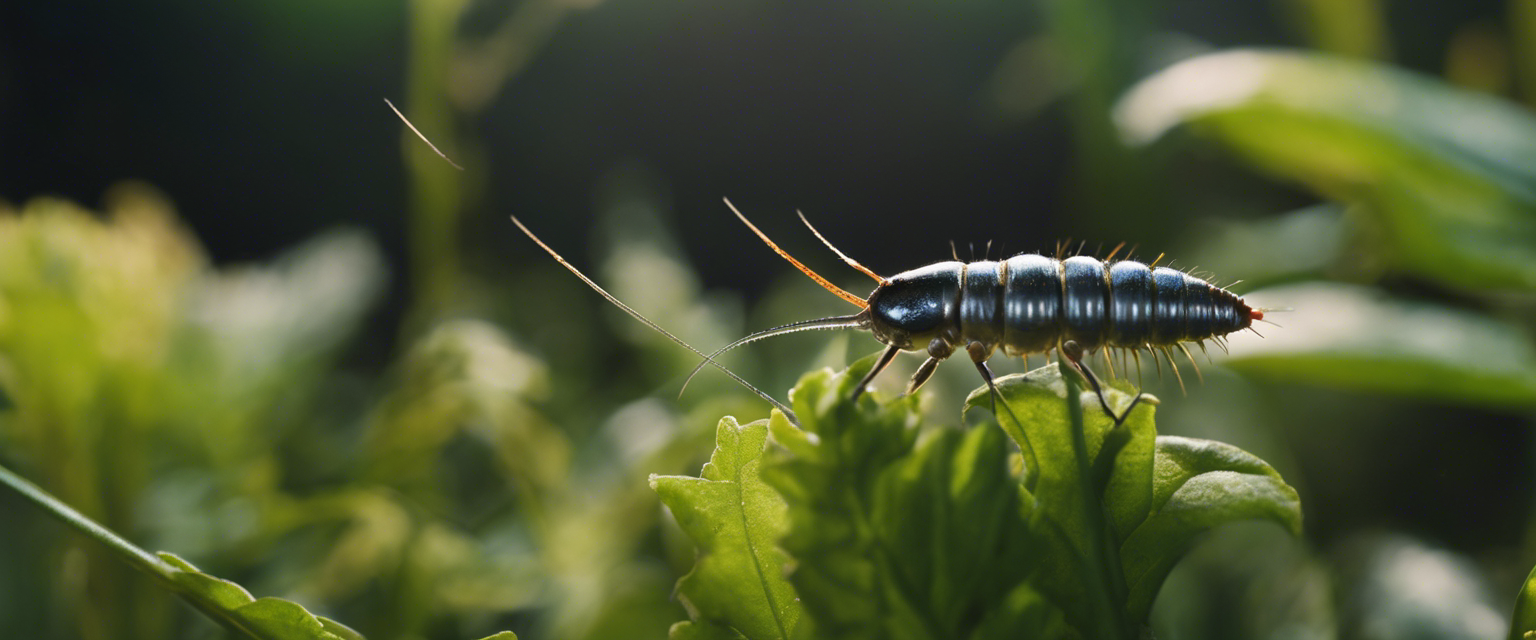


Anyone who has spent a summer evening in Arkansas knows the itch. You come inside after yard work or a hike. By morning, your ankles are covered in red welts. That’s chiggers at work, and they’re one of the most common outdoor nuisances in the state.
This guide breaks down what chiggers are and where they hang out. It also covers how to keep them off you and your family.
What Chiggers Really Are
Chiggers aren’t insects. They’re the larval stage of a tiny mite. At about 1/150th of an inch, you’d never spot one crawling on your leg.
Here’s something most people get wrong. Chiggers don’t burrow into your skin or drink your blood. They attach to the surface and inject an enzyme. That enzyme breaks down skin cells, and they feed on the liquid. Your body reacts to the enzyme, and that reaction causes the itching.
The larvae usually feed for a few days before dropping off. By that point, the damage is already done. The itch can stick around for one to two weeks.
Where Chiggers Show Up Most in Arkansas
Chiggers love warm, humid spots with plenty of vegetation. That describes most of Arkansas from late spring through early fall. Certain areas carry more risk than others.
- Wooded trails in the Ozarks and Ouachita Mountains
- Overgrown fields, brushy areas, and unmowed park edges
- Yards with tall grass or heavy thatch buildup
- Creek banks and shaded, low-lying ground
- Garden beds with dense ground cover
Even a well-kept yard has risk zones. Chiggers cluster along the edges, where mowed grass meets taller vegetation. That transition strip is their favorite hangout spot. Our guide on seasonal pests in Arkansas covers how chigger activity shifts through the year.
Spotting a Chigger Bite
Chigger bites don’t look or feel like most other bug bites. Knowing the difference helps you treat them faster.
The Timing Is Different
Mosquito bites itch right away. Chigger bites take a few hours to show up. That delay throws people off, since they can’t pinpoint when the bite happened.
The Pattern Gives It Away
Look for small red welts, sometimes with a bright red dot in the center. Bites cluster where clothing sits tight against skin, like sock lines and waistbands. That clustering is the biggest clue you’re dealing with chiggers, not fleas.
The Itch Builds Over Time
The itching gets worse over the first day or two. It can get intense enough to mess with your sleep. Most bites clear up on their own within two weeks.
Treating Bites at Home
If you know you’ve been in chigger territory, a few quick steps help.
Shower right away with soap and water. This rinses off any larvae still on your skin before they attach. Wash your clothes in hot water too, since larvae can survive on fabric. Over-the-counter hydrocortisone or calamine lotion helps with the itch. An oral antihistamine can take the edge off if it’s bad. Try not to scratch, since broken skin opens the door to infection.
If you notice increased swelling, warmth, or discharge, call your doctor. Those signs can point to a secondary infection, which needs medical care.
Preventing Chigger Bites Outdoors
Outdoor recreation is one of the best parts of living in Arkansas. A few habits let you enjoy it without paying for it later.
- Wear long pants tucked into socks and long sleeves outside.
- Choose light-colored clothing so chiggers are easier to spot.
- Apply DEET to exposed skin and permethrin to clothing.
- Shower within an hour of coming inside after outdoor activity.
- Stick to cleared trails instead of walking through brush.
These steps work best together rather than alone. Skipping the shower step undercuts everything else you did right.
Reducing Chigger Populations in Your Yard
Personal protection covers you outdoors. But your yard needs its own plan too.
Keep grass mowed short and remove leaf litter regularly. Both give chiggers cover and moisture to hide in. Trim back vegetation along fences and property lines. A clear buffer zone between lawn and woods cuts down on crossover.
For homeowners dealing with chigger activity that won’t quit, targeted treatment can help. Focus on yard edges and vegetation lines for the best results. Regular mowing alone often isn’t enough once a yard has heavy chigger pressure. Our page on pest control safety in Arkansas explains what to expect around kids and pets.
Planning Outdoor Time Around Chigger Season
Chigger activity peaks during the warmest, most humid stretches of the year. That typically runs from May through September. Planning around that window helps you avoid the worst of it.
Morning hikes carry less risk than late afternoon ones. Chiggers get more active once the ground warms up. Checking recent rainfall matters too, since chiggers thrive in damp conditions.
None of this means skipping the outdoors during summer. It just means being a little more deliberate about where you walk.
Staying Ahead of Chigger Season
Chiggers are a fact of life in Arkansas. But they don’t have to ruin your summer plans. Smart clothing choices, quick post-outdoor showers, and steady yard care go a long way.
For more seasonal pest guidance, visit our knowledge hub. Check local service details on our pest control in Bentonville page. Visit Nature Guard Pest & Lawn to keep your yard comfortable all season long.