
Spotting tiny bugs around the house is one of the most common pest questions people search. The bugs are often too small to identify at a glance. They tend to show up in the same handful of spots. Kitchens, bathrooms, windowsills, and carpets each attract different pests for different reasons.
This guide organizes the most likely culprits by where you’re finding them. It also points you toward deeper identification resources instead of repeating them here.
Why Location Is the Fastest Way to Narrow It Down
Most tiny household bugs aren’t random. They show up in specific rooms for a reason, whether that’s food, moisture, or shelter. A bug in the pantry usually isn’t the same species as one on a windowsill.
Working through your home room by room narrows the list fast. Our full Arkansas pest identification guide covers detailed physical traits for a closer match.
Tiny Bugs Found in the Kitchen
Kitchens combine food, water, and warmth, which makes them a magnet for several common pests.
Ants
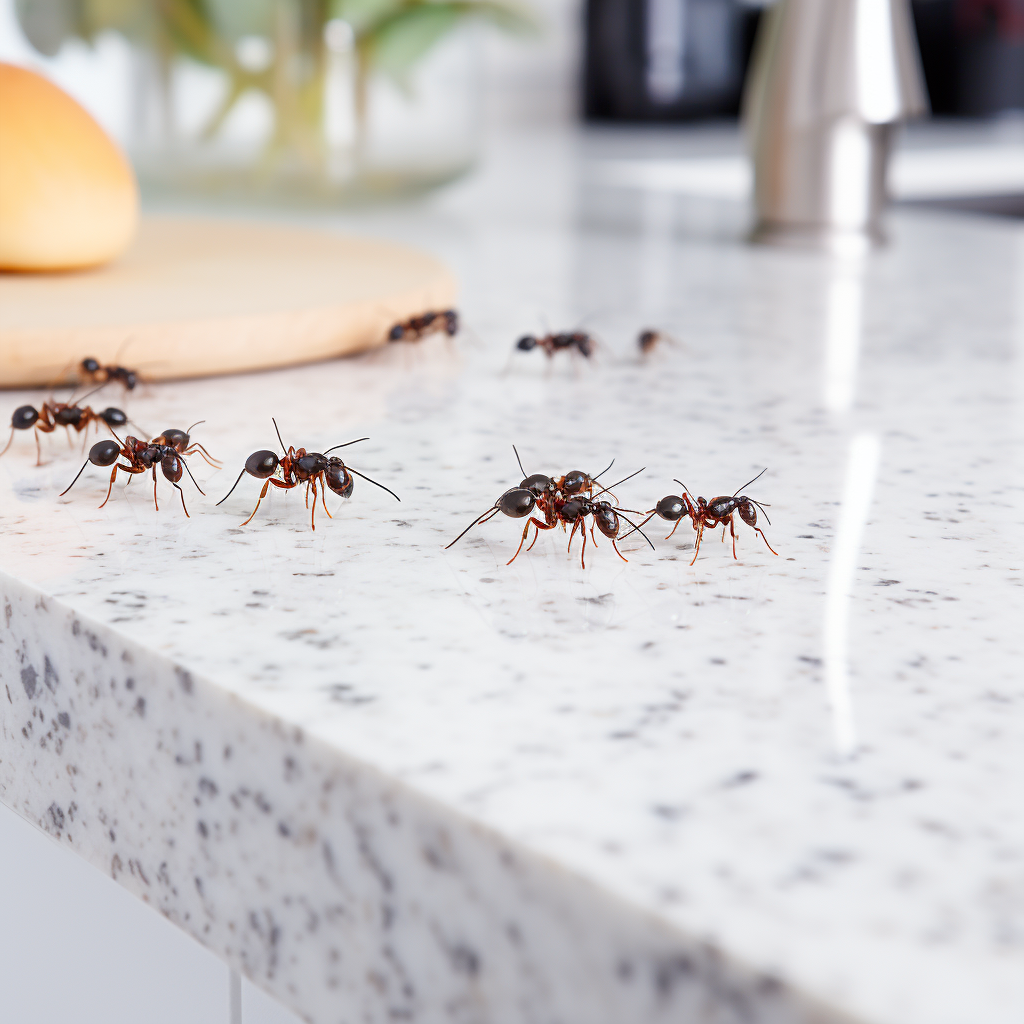
Ants are one of the most frequent kitchen invaders in Arkansas homes. Look for thin, segmented bodies moving in a steady trail toward food or water. Different species vary in size and color, from small odorous house ants to larger carpenter ants. Our guide on types of ants in Arkansas breaks down how to tell the common species apart.
Fruit Flies
Fruit flies hover near ripening produce, empty bottles, or drains. They’re small, tan or brown, with noticeably red eyes. Their numbers spike fast once they find a breeding source like overripe fruit or a dirty drain.
Drain Flies
Drain flies look fuzzy and moth-like, with a distinct fringe on their wings. They cling to walls near sinks and rarely fly far. Their presence almost always points to organic buildup somewhere inside a drain.
Pantry Pests
Small beetles or moths crawling near cereal boxes or flour usually mean pantry pests have moved in. These include weevils, meal moths, and various small beetles that infest stored food. Our detailed breakdown of pantry pests in Arkansas covers how to spot and clear an infestation.
Tiny Bugs Found in the Bathroom
Bathrooms stay damp more often than any other room, which draws a specific set of pests.
Drain Flies (Again)
Bathroom drains create the same conditions kitchen drains do. If you’re seeing small, fuzzy flies near the tub or sink, drain buildup is the likely source.
Silverfish
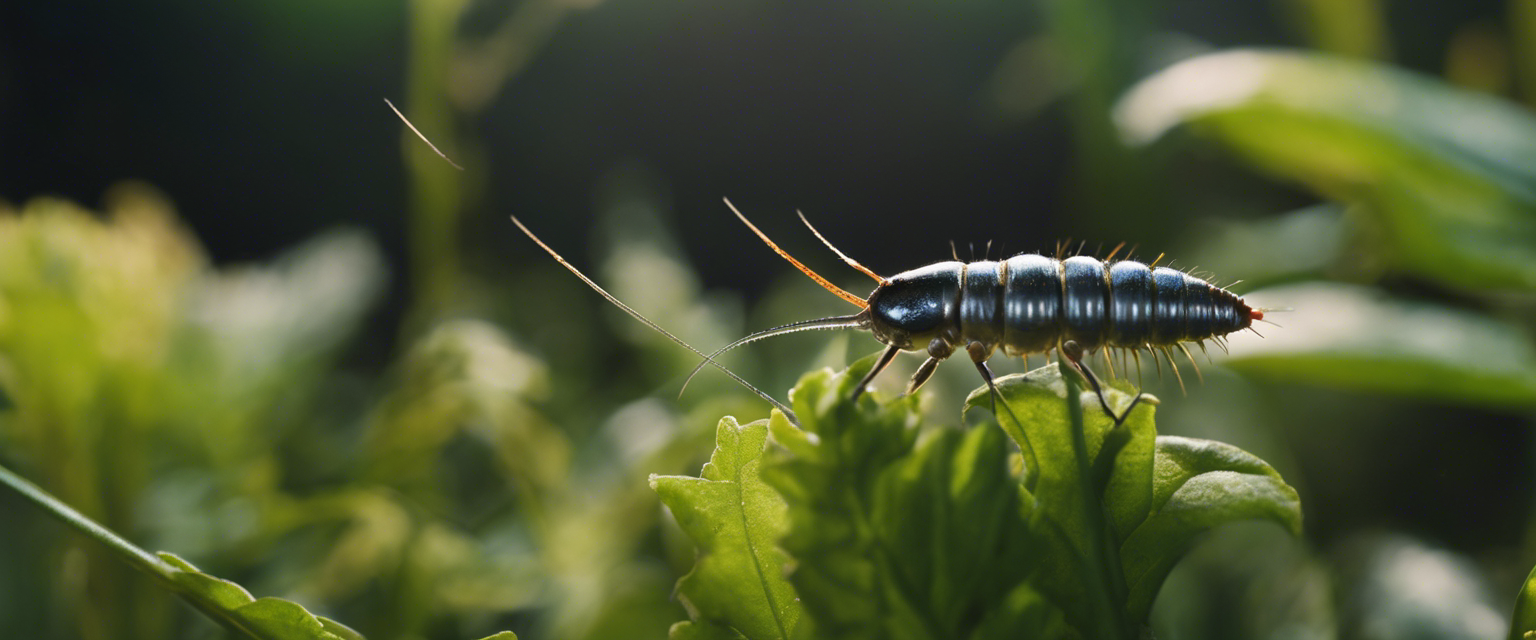
Silverfish have a distinctive teardrop shape, silvery scales, and quick, wriggling movement. They favor humid spots like under sinks or behind baseboards. Silverfish feed on paper, glue, and fabric, so damaged books or wallpaper nearby can be another clue.
Booklice
Booklice are pale, soft-bodied, and barely visible without close inspection. They gather in humid corners and feed on mold or mildew growing on damp surfaces. Finding them often signals a moisture issue worth addressing, even if the bugs themselves are harmless.
Tiny Bugs Found on Windowsills
Windowsills collect a different mix of pests, often ones that came from outside and got trapped indoors.
-
Cluster flies: Slow-moving, dark flies that gather in large numbers near windows, especially in fall and spring.
-
Boxelder bugs: Black and red bugs that group together on sunny window ledges, particularly near boxelder or maple trees.
-
Ladybugs: Round, often orange or red beetles that congregate on windows as temperatures shift in fall.
-
Stink bugs: Shield-shaped bugs found on window screens or ledges, especially during seasonal temperature swings.
These pests usually enter through small gaps around window frames while searching for shelter. They rarely cause damage, but large numbers can become a persistent nuisance.
Tiny Bugs Found in Carpets and Upholstery
Carpets and furniture create warm, protected environments that certain pests rely on to complete their life cycle.
Fleas
Fleas are small, dark, and quick to jump when disturbed. Bites often show up around ankles first. Fleas don’t require a pet in the home to appear. Wildlife, rodents, or even a previous tenant’s pets can leave them behind.
Carpet Beetles
Carpet beetle larvae look fuzzy and slightly bristled, often described as tiny caterpillars. Adults are small, oval, and mottled in color. They feed on natural fibers, so damaged wool rugs or clothing nearby is a strong clue.
Bed Bugs
Bed bugs are flat, reddish-brown, and roughly the size of an apple seed. They hide in mattress seams, furniture joints, and baseboards near sleeping areas. Small dark spots on sheets or an unexplained musty smell can point to their presence.
Tiny Bugs Found on Houseplants
Houseplants bring their own set of pests, often mistaken for something more serious than they are.
Fungus Gnats
Fungus gnats look like tiny mosquitoes hovering just above the soil surface. They’re weak fliers and rarely stray far from the pot. Overwatered soil is almost always the cause, since larvae feed on fungus in damp potting mix.
Spider Mites
Spider mites are nearly invisible to the naked eye. Fine webbing between leaves is a telltale sign. Leaves may look speckled or slightly bronzed where mites have been feeding.
Aphids
Aphids cluster on new growth and the undersides of leaves. They’re small, soft-bodied, and range from green to black depending on the species. A sticky residue on nearby leaves, called honeydew, often accompanies an aphid infestation.
When Tiny Bugs Signal a Bigger Issue
A few tiny bugs here and there is often nothing more than a passing nuisance. But certain patterns are worth paying closer attention to.
Repeated sightings in the same spot usually mean a breeding source is nearby, not just occasional wanderers. Pests tied to moisture, like silverfish or fungus gnats, often signal a humidity problem too. Fixing the underlying condition resolves the bug problem far more reliably than treating pests alone.
Quick Reference: Matching Bugs to Locations
Sometimes a fast mental checklist helps more than a long explanation. Here’s a condensed version of what to look for by room.
-
Kitchen: Ants in trails, fruit flies near produce, small beetles in pantry goods.
-
Bathroom: Fuzzy drain flies, teardrop-shaped silverfish, pale booklice in damp corners.
-
Windowsills: Clustering flies, red and black boxelder bugs, shield-shaped stink bugs.
-
Carpets and furniture: Jumping fleas, bristled carpet beetle larvae, flat reddish-brown bed bugs.
-
Houseplants: Mosquito-like fungus gnats, fine webbing from spider mites, clustered aphids on new growth.
This quick list narrows things down fast, but exact identification still benefits from a closer look. Our Arkansas pest identification guide has detailed photos and descriptions for a more precise match.
What to Do Once You’ve Identified the Bug
Identification is the first step, but the right response varies by pest. Some, like fungus gnats, resolve with a simple watering adjustment. Others, like bed bugs or carpet beetles, need a thorough approach with cleaning or targeted treatment.
Moisture-related pests respond best to fixing the root cause. That could be a leaky pipe, poor ventilation, or overwatered houseplants. Food-related pests, like pantry moths or ants, usually call for sealing food sources. Cleaning up crumbs or spills consistently matters just as much.
Getting Professional Help When Needed
Some infestations clear up with basic cleaning and moisture control. Others keep coming back no matter what you try. If the problem persists, or you’re still unsure what you’re dealing with, a professional can help. A trained technician can confirm the species and locate the source. They can also recommend treatment suited to your situation.
This is especially useful for pests like bed bugs or carpet beetles. A wrong guess there can mean wasted effort and continued spread.
Staying Ahead of Tiny Bug Problems
Most tiny bugs in Arkansas homes fall into a predictable set of categories. Matching the bug to its location gets you most of the way there. The resources linked throughout this guide can fill in the rest.
For more detailed identification help, visit our knowledge hub or explore the full Arkansas pest identification guide. Visit Nature Guard Pest & Lawn to learn more about keeping your home comfortable and pest-free.