

We all know the feeling. You walk outside in July, or even during a mild December warm snap, and the air feels thick enough to swim in. Arkansas weather is famous for its humidity, leaving our windows foggy, our closets musty, and our skin perpetually sticky. But while we might just turn up the AC and grab a glass of iced tea, the local wildlife has a different reaction. High moisture levels are a beacon for unwanted guests.
At Nature Guard Pest & Lawn, we see a direct link between our state’s sticky weather and insect activity. When humidity rises, pests seek stable environments that provide water and shelter. Unfortunately, your home is often the perfect target. While we can’t control the weather outside, understanding the connection between humidity pests Arkansas and your living space is the first step toward a pest-free home.
Disclaimer: This article is for informational purposes only. For persistent or severe pest issues, contact a licensed pest professional.
Why Arkansas Humidity Makes Pest Problems Worse
In the simplest terms, most insects and pests thrive in moisture. They need it to survive, reproduce, and keep their bodies from drying out. When the air is saturated, bugs can stay active for longer periods and travel further distances. In dryer climates, insects struggle to maintain hydration, but here, the environment practically rolls out the red carpet for them.
High humidity also affects the materials in your home. Wood, cardboard, insulation, and even drywall can absorb moisture from the air. This dampness softens these materials, making them easier for pests to chew through or burrow into. Mold and mildew, which often accompany high humidity, serve as food sources for tiny insects, which in turn attract larger predators like spiders.
This cycle is why humidity pests Arkansas homeowners see are such a persistent issue. It isn’t just about the bug itself; it’s about the environment that allows them to flourish. When your home holds onto moisture, it signals to nearby crawling creatures that your house is a safe haven.
Five Moisture Sources in Homes That Attract Pests
Your home might feel dry to you, but pests are experts at finding microclimates where moisture gathers. Identifying these “hotspots” is crucial for effective prevention.
- Bathrooms are notoriously problematic. Hot showers create steam that settles on walls and baseboards. If your ventilation fan isn’t strong enough (or if you forget to run it), that moisture lingers. Wet bathmats and leaky faucets add to the issue, creating a spa day for pests.
- Kitchens offer a buffet of water sources. Condensation on pipes under the sink, a dishwasher that doesn’t vent properly, or even a slow drip from the refrigerator water line can accumulate enough water to support a colony of ants or roaches.
- Laundry Rooms often harbor hidden moisture. Dryer vents that leak humid air back into the room or washing machine hoses that drip can create damp zones behind heavy appliances where you rarely look.
- Crawlspaces and Basements are often the root of the problem. In Northwest Arkansas, our soil can hold a lot of water. If your crawlspace isn’t encapsulated or properly vented, it acts like a humidity pump, pushing damp air up into your living spaces. This is often where moisture pests in Arkansas gain their initial foothold.
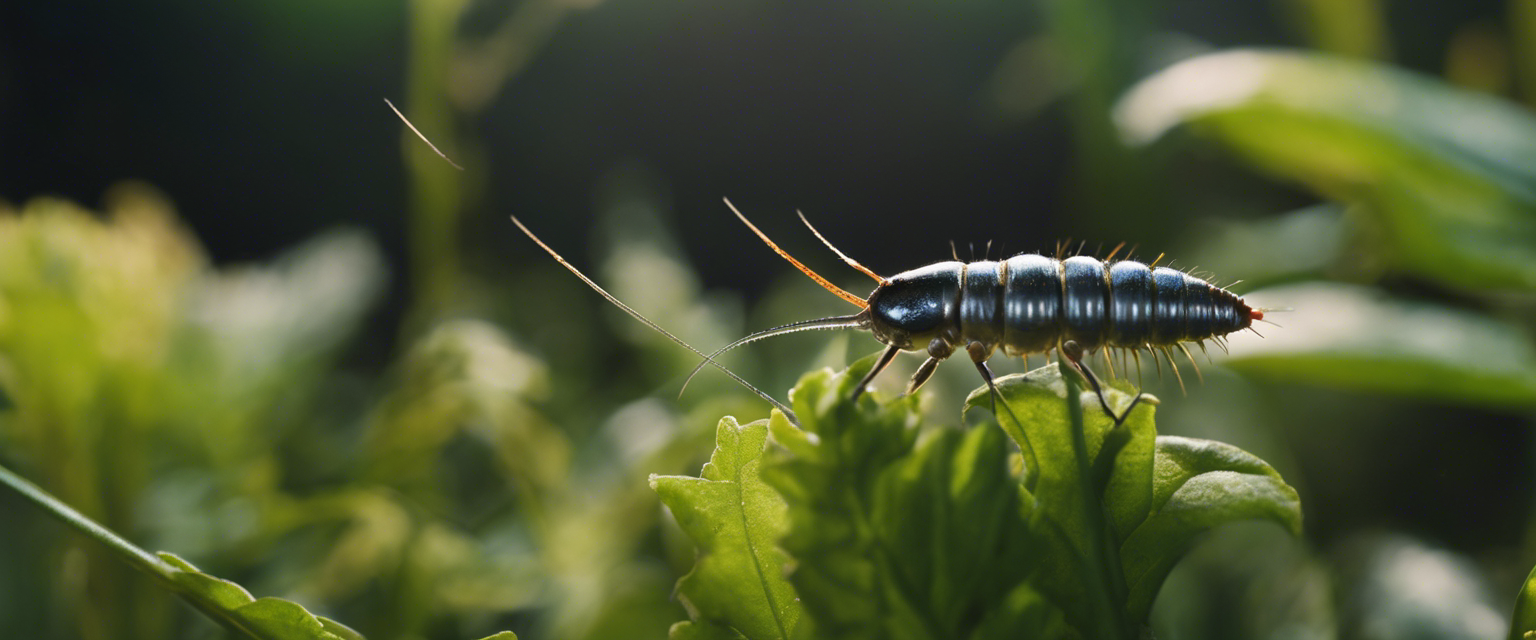
- Attics shouldn’t be ignored either. If your bathroom fans vent into the attic instead of outside, or if you have a small roof leak, the insulation can become damp and attractive to silverfish and other insects.
Humidity-Driven Pests Arkansas Homeowners See
You don’t need to be an entomologist to spot the usual suspects. When moisture levels rise, you’ll likely see an uptick in specific types of intruders.
- Roaches: These resilient pests love dark, humid voids. They often congregate near pipes and in damp cabinets.
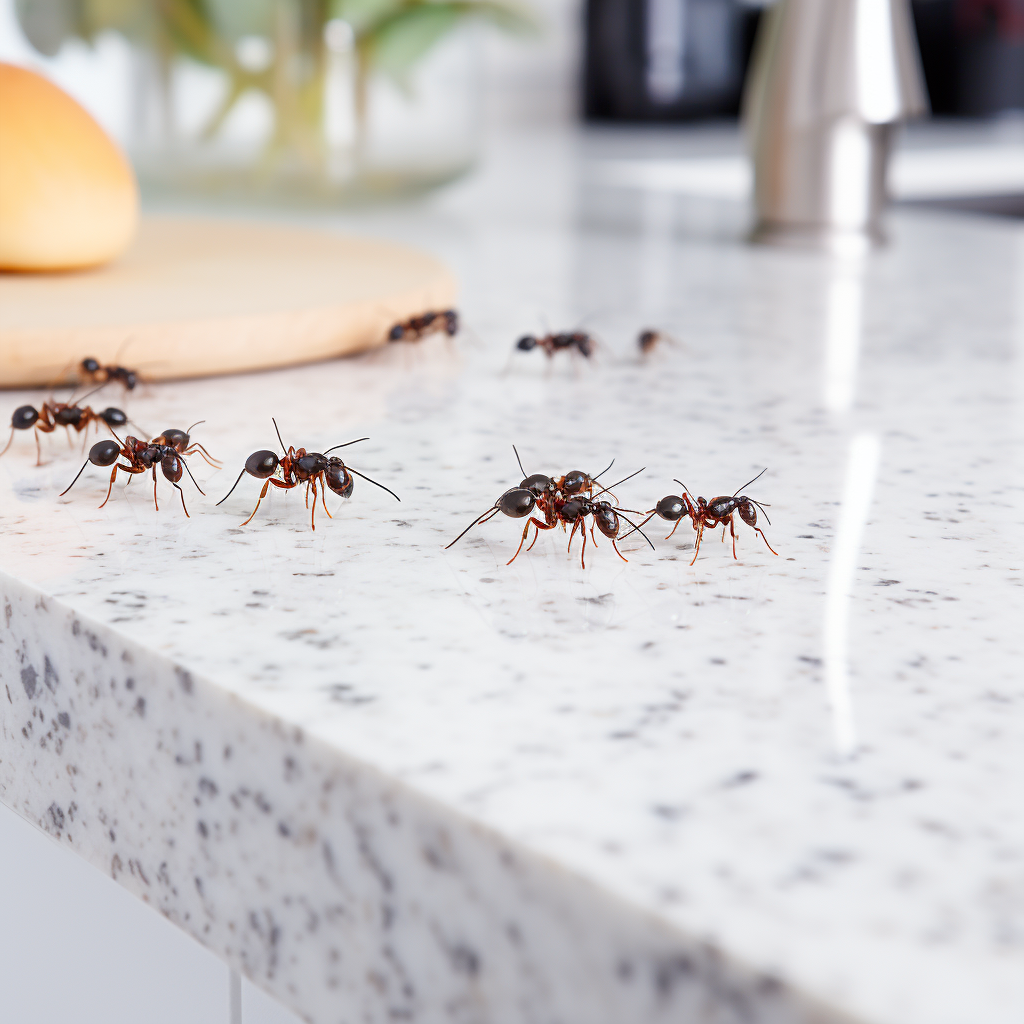
- Ants: While they are always looking for food, they are also constantly seeking water. A scout ant finding a damp spot can lead the whole colony inside.
- Spiders: Spiders go where the food is. If moisture attracts smaller insects, spiders will follow them indoors to hunt.
- Mosquitoes: While they breed in standing water outdoors, high humidity allows them to survive longer near your doors and garage, increasing the chance they slip inside.
- Occasional Invaders: Crickets, millipedes, and pillbugs (roly-polies) are crustaceans or insects that require high moisture to breathe. If you see them inside, you almost certainly have a moisture issue nearby.
Seeing these critters is often a symptom of the broader issue of humidity pests in Arkansas taking advantage of your home’s environment.
Why Pests Spike After Storms and Heavy Rain
Have you ever noticed a sudden rush of bugs inside right after a heavy thunderstorm? It’s not a coincidence. When we get those heavy downpours that saturate the ground, soil-dwelling insects are forced out of their natural habitats. They are literally being flooded out of their homes, so they look for the nearest dry ground, which is often your foundation and siding.
Once the rain stops, the humidity spikes. Pests in Arkansas after rain are driven by this one-two punch: first, displacement by the water, then the urge to find a stable, humid shelter. If your home hasn’t had a chance to “dry out” or if you have standing water near the foundation, these displaced pests will find their way in through tiny cracks and crevices.
Furthermore, decaying organic matter, such as wet leaves or mulch, becomes a prime breeding ground immediately after a storm. This keeps the pest population in Arkansas high long after the clouds have cleared.
Moisture Control Checklist That Helps Reduce Infestations
If you want to keep bugs out, you have to dry them out. Reducing the moisture levels in your home makes it less hospitable to pests. Nature Guard Pest & Lawn recommends tackling these areas first:
- Upgrade Ventilation: Run your bathroom exhaust fans for at least 20–30 minutes after every shower. Ensure your dryer and kitchen hood vent to the outdoors, not the attic.
- Fix Leaks Immediately: A small drip might not seem like much, but it provides a permanent water source for pests. Check under sinks, around toilet bases, and behind the fridge regularly.
- Dehumidify Strategically: If your basement or crawlspace smells musty, a dehumidifier is a great investment. Keeping relative humidity below 50% makes it very difficult for roaches and fleas to reproduce.
- Improve Drainage: Ensure your gutters are clean and downspouts direct water at least three feet away from your foundation. Splash blocks can help prevent puddling near the house.
- Seal Entry Points: Install door sweeps on exterior doors and caulk gaps around windows and plumbing penetrations. This physically blocks moisture pests in Arkansas from entering.
- Reduce Hiding Spots: Don’t store cardboard boxes on the floor in the garage or basement; use plastic bins instead. Keep mulch at least a few inches away from your siding to create a dry buffer zone.
By managing these factors, you aren’t just fighting bugs; you are preventing the conditions that invite moisture pests in Arkansas into your home in the first place.
A Simple Weekly Routine to Keep Humidity (and Pests) Down
You don’t need to spend hours every weekend on maintenance. A quick, consistent routine can make a huge difference in managing humidity pests Arkansas residents deal with.
- The “Spot Check”: Take five minutes to peek under your kitchen and bathroom sinks. Feel for dampness. Check the corners of the bathroom for any signs of mold or peeling paint.
- Wipe Down: If you see condensation on windows or toilet tanks, wipe it dry.
- Outdoor Scan: Walk around the perimeter of your house. Empty any plant saucers, buckets, or toys that are holding rainwater. This is crucial for reducing pests after rain in Arkansas.
- Air It Out: On lower-humidity days, open windows to let fresh air circulate through the house, helping dry out stagnant air pockets.

When It’s Time to Call a Professional
Sometimes, despite your best efforts at moisture control, pests find a way. If you are noticing recurring pests even after running a dehumidifier and fixing leaks, it might be time for backup. Other signs include a persistent musty odor, bug sightings, or roaches appearing in multiple rooms (kitchens and bathrooms are common).
If you suspect pests are entering through a hidden spot you can’t locate, professional eyes can make all the difference. The team at Nature Guard Pest & Lawn can help identify not just the bug, but the moisture source attracting it. You can read our Google reviews to see how we’ve helped other neighbors in Northwest Arkansas tackle stubborn infestations.
A professional treatment plan isn’t just about spraying; it’s about creating a barrier and identifying the environmental changes needed to keep your home safe. We help you address the immediate pest problem after rain in Arkansas while setting you up for long-term success.
Thanks for Reading!
Living in Arkansas means dealing with humidity, but it doesn’t mean you have to live with the bugs that love it. The equation is simple: humidity plus moisture equals pest-friendly conditions. By controlling the moisture in and around your home, you make your space far less inviting to unwanted guests.
Whether you are dealing with summer mugginess or the aftermath of a spring storm, Nature Guard Pest & Lawn is here to help you protect your biggest investment. Don’t let the weather dictate your comfort. Contact us today for a consultation, and let’s build a prevention plan that works for you.