
Spotting a centipede scurrying across your bathroom floor at night can be startling. Most homeowners have never given these fast, many-legged bugs much thought. But their sudden appearance usually points to a specific condition inside your home.
This guide answers the questions Arkansas homeowners ask most about centipedes. It also explains what repeated sightings might really be telling you.
What Are House Centipedes and Why Do They Look So Strange?
House centipedes have long, thin bodies and up to fifteen pairs of legs. Their quick, erratic movement is often what catches people off guard. Unlike most household pests, centipedes are predators rather than scavengers.
That predatory habit is actually the key to understanding why they show up indoors. Centipedes don’t come inside looking for crumbs or food scraps. They come inside hunting other bugs.
Why Do Centipedes Come Into Arkansas Homes?
Centipedes need two things to survive: moisture and prey. Arkansas homes often provide both, especially during humid stretches of the year.
-
High humidity in bathrooms, basements, and crawl spaces
-
Leaky pipes or slow drains that keep areas damp
-
Other insects living in the same damp spaces
-
Cracks and gaps around foundations or utility lines
-
Cluttered storage areas that trap moisture
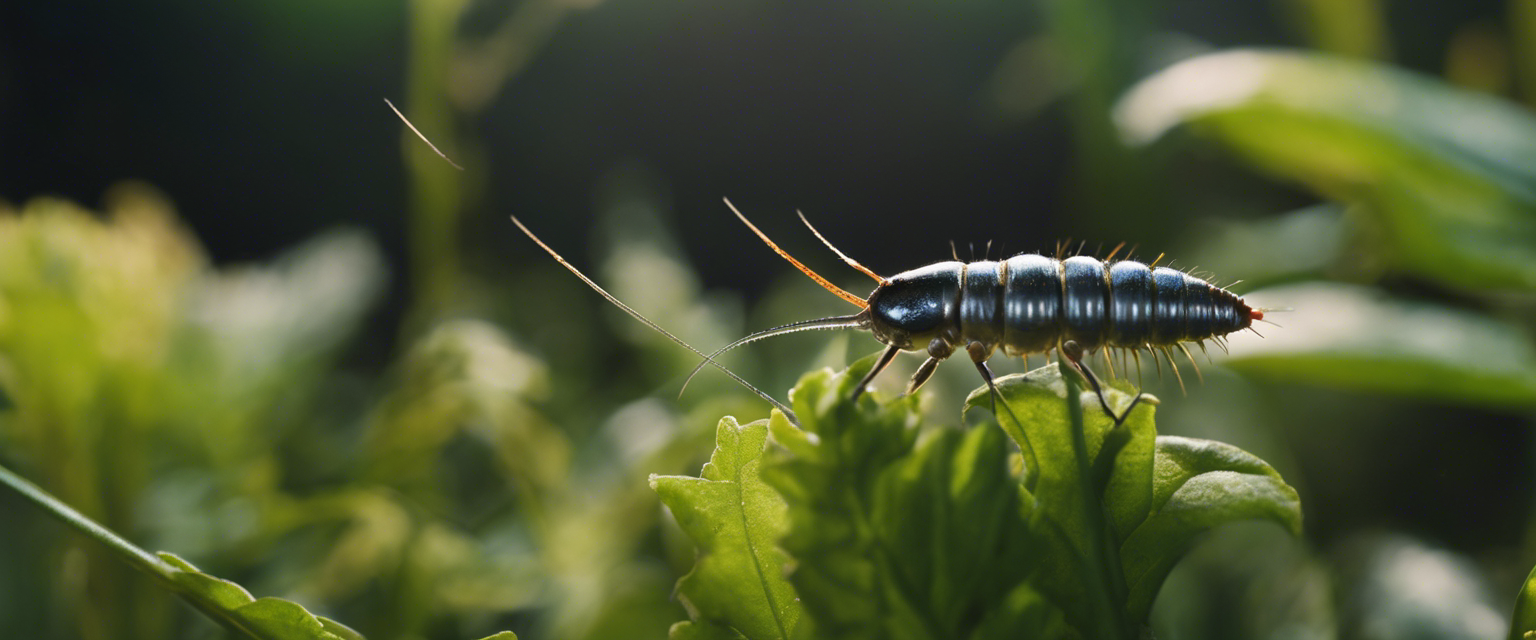
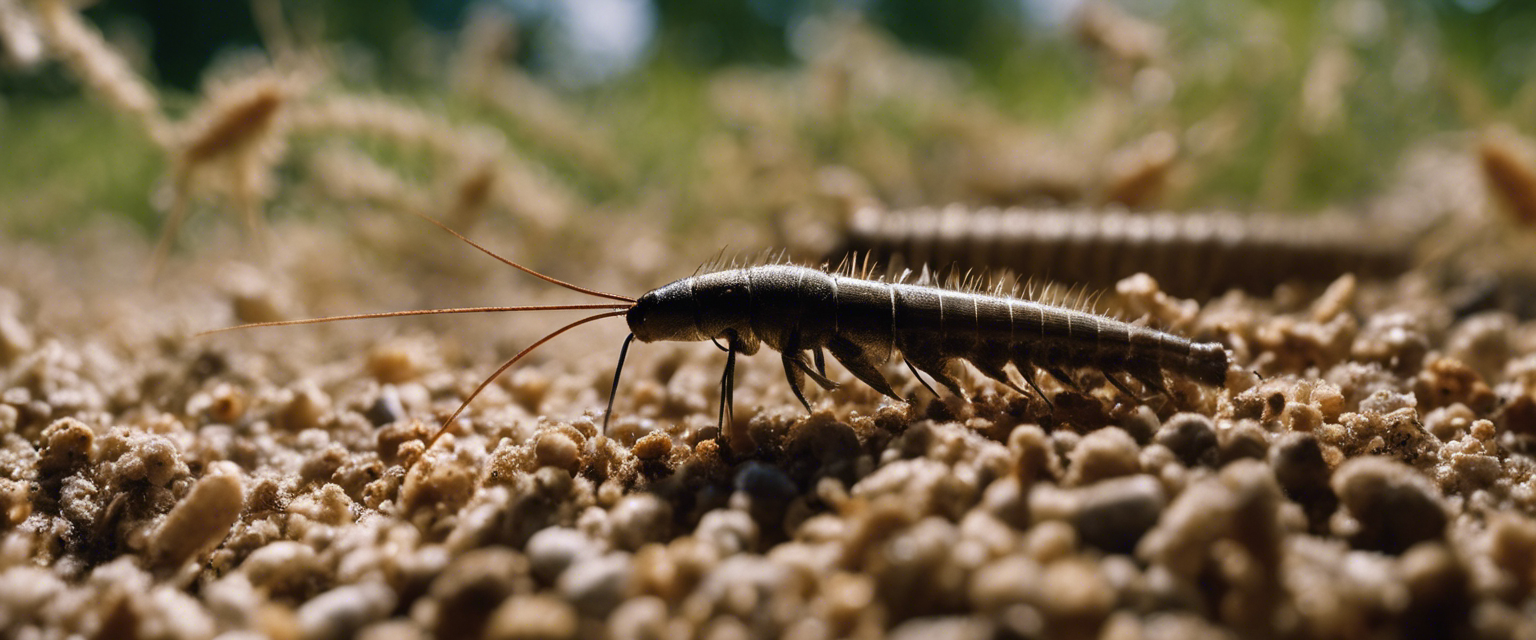
Centipedes follow the conditions that support their prey. If your home has silverfish, spiders, or small insects tucked into damp corners, centipedes will often follow. Our guide on humidity and pests in Arkansas explains how moisture drives pest activity across many species.
Why Do I Keep Finding Centipedes in My Bathroom?
Bathrooms are one of the most common spots for centipede sightings, and there’s a clear reason why. Showers, sinks, and toilets create steady humidity, especially in homes without strong ventilation.
Small gaps around pipes under sinks give centipedes an easy way in. Once inside, they tend to stay near damp baseboards, behind toilets, or under bath mats. Fixing ventilation issues and repairing any small leaks often reduces bathroom sightings over time.
Why Do Centipedes Show Up in Basements and Crawl Spaces?
Basements and crawl spaces often stay cooler and more humid than the rest of the house. That combination makes them ideal habitat for centipedes and the insects they hunt.
Poor drainage, unsealed vents, and dirt floors all add to the moisture problem. Cardboard boxes and stacked storage items make things worse by holding humidity close to the ground. Centipedes thrive in these conditions because both shelter and prey stay in steady supply.
Are Garages Also Common Spots for Centipedes?
Garages share a lot with basements in centipede activity. Concrete floors hold moisture longer than people expect, especially near garage doors or foundation cracks.
Garages also tend to store clutter, from cardboard boxes to old furniture. That clutter creates dark, undisturbed spaces where centipedes and their prey can settle in. Sealing gaps around garage doors helps cut down on both moisture and insect entry points.
Are House Centipedes Dangerous to People or Pets?
This is one of the most common questions homeowners ask, and the answer brings some relief. House centipedes are not considered dangerous to people or pets in any serious way.
They do have venom, which they use to subdue insect prey. A bite is possible if one gets handled directly. It can cause brief, localized pain similar to a bee sting. Serious reactions are rare and usually limited to individuals with specific sensitivities. Centipedes also don’t spread disease, chew through materials, or damage your home’s structure.
Do Centipedes Mean I Have Another Pest Problem?
Repeated centipede sightings are often a signal worth paying attention to. Since centipedes hunt other insects, several sightings can mean their food source has grown.
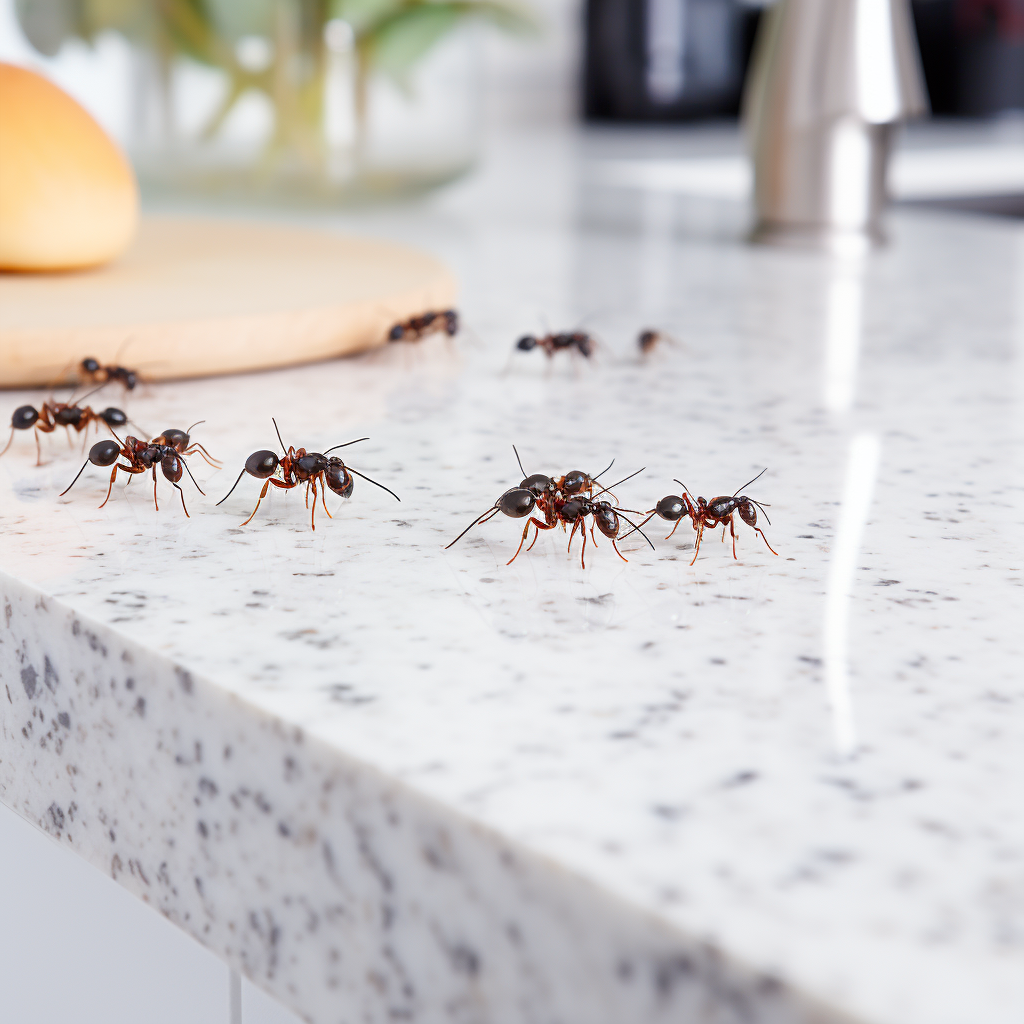
That could point to a developing issue with silverfish, spiders, ants, or small flies. It’s worth checking damp areas closely if centipede activity picks up suddenly. Our Arkansas pest identification guide can help you figure out what else might be sharing your space.
Does Centipede Activity Change With the Seasons?
Centipede activity in Arkansas tends to shift along with humidity and temperature. Warmer, wetter months typically bring more sightings, especially indoors where conditions stay consistent.
Fall can also bring a noticeable uptick. Centipedes and other pests search for shelter before colder weather sets in. Our guide on seasonal pests in Arkansas breaks down how different pests follow these yearly patterns.
How Can Homeowners Reduce Centipede Activity?
Since centipedes follow moisture and prey, addressing both usually solves the problem at its source. A few consistent habits make a real difference over time.
Fix leaky pipes and improve ventilation in bathrooms, basements, and crawl spaces. Use a dehumidifier in areas that stay consistently damp. Seal cracks around foundations, utility lines, and garage doors to limit entry points. Reduce clutter in storage areas, since boxes and stacked items trap humidity close to the ground. Clearing out other insects also removes the food source that draws centipedes in.
When Should You Call a Professional?
Occasional centipede sightings usually aren’t cause for concern on their own. But frequent activity across multiple rooms often points to a larger issue. Moisture or another pest problem may need closer attention.
A professional inspection can identify hidden moisture sources and any underlying insect activity drawing centipedes indoors. That combined approach tends to resolve the root cause rather than just the visible symptom. Our knowledge hub has more resources on identifying pest patterns around Arkansas homes.
Keeping Centipedes Out for Good
Centipedes are rarely harmful, but their presence often tells a bigger story. That story usually involves moisture and other pests in your home. Paying attention to where they show up gives you a head start on the real issue.
Managing humidity, sealing entry points, and staying alert to other insect activity go a long way. Visit Nature Guard Pest & Lawn to learn more about keeping your Arkansas home pest-free year-round.