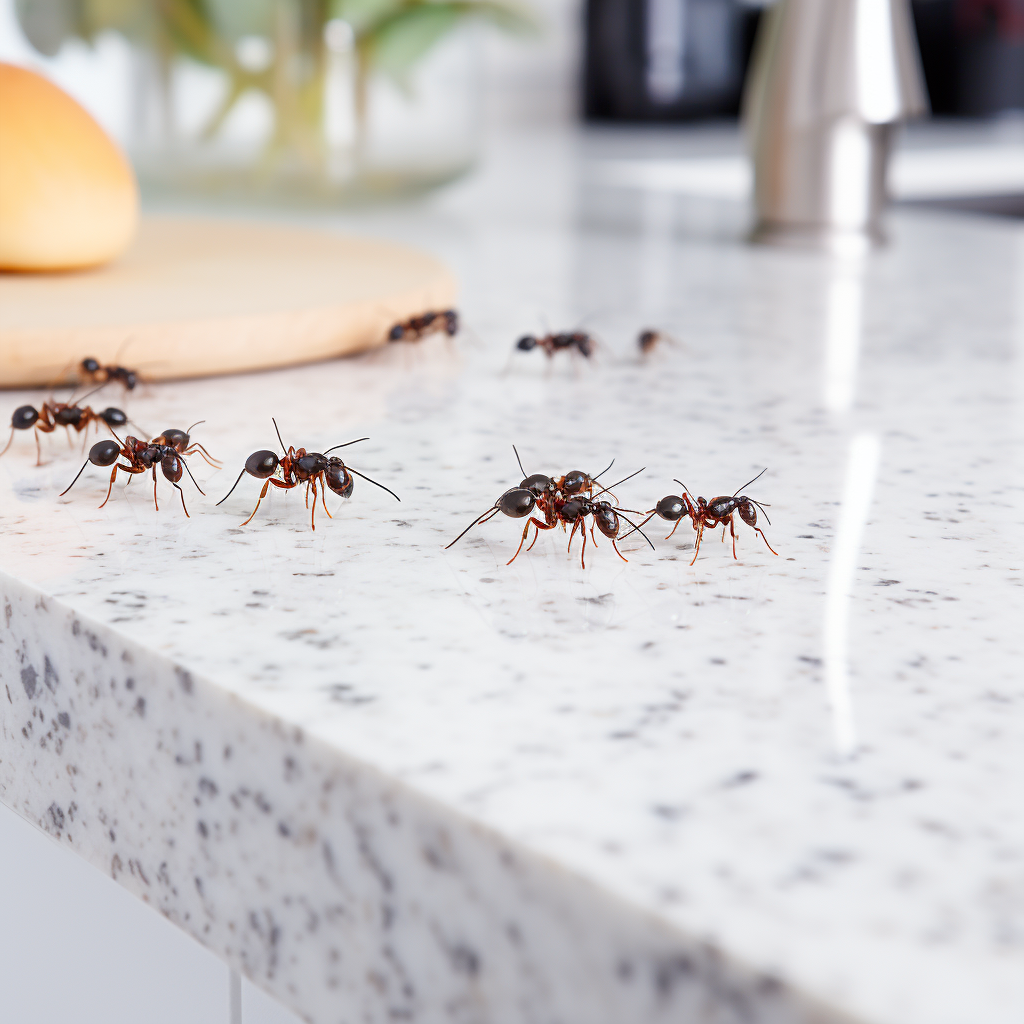


Imagine walking into a restaurant, eagerly anticipating a delicious meal. As you sit down and peruse the menu, you notice a tiny army of ants marching across the table. Intrigued, you wonder about the connection between these tiny creatures and your food safety.
In Arkansas restaurants, this connection is not to be taken lightly. Ants, attracted to sugary and greasy food sources, can infiltrate restaurants and wreak havoc on food prep areas. Professional pest control services, such as those provided by Nature Guard Pest & Lawn, can help identify and address these issues before they impact food safety and compliance. What risks do these seemingly harmless insects pose? How can they contaminate your food? And most importantly, what steps can restaurants take to ensure the highest level of food safety?
Let’s explore the fascinating world of ants and their impact on Arkansas’s culinary landscape.
Key Takeaways
- Ant infestations in restaurants can contaminate food and equipment, posing a risk to food safety.
- Regular cleaning, maintenance, and sealing of entry points are crucial preventive measures to avoid infestations.
- Seeking professional pest control services can provide effective long-term prevention and elimination of pest problems in restaurants.
- Training staff in proper food-handling and cleanliness practices is important to minimize the risk of ant infestations.
The Impact of Ants on Food Safety
Ants pose a significant threat to restaurant safety by contaminating food and equipment. These tiny creatures can easily crawl into storage areas and contaminate ingredients, leaving behind bacteria and allergens that can cause foodborne illnesses.
Furthermore, they can invade kitchen equipment, such as refrigerators and food preparation surfaces, compromising sanitation standards. To ensure safety, preventive measures are crucial. Regular cleaning and maintenance, along with sealing entry points, can help prevent ant infestations.
Working with professional pest control services can help prevent ants in restaurants. Understanding ant behavior and nesting habits is essential for successful ant elimination and prevention. Bait is the most effective treatment for ants, but maintaining a sanitary environment is equally important for keeping them out of restaurants and ensuring proper safety.
Understanding Ant Behavior in Restaurants
To effectively prevent and eliminate ant infestations in restaurants, it’s important to have a thorough understanding of their behavior and nesting habits. Here are some key facts to help you understand ant behavior in restaurants:
- Ants send scouts to search for food and water, leading to an army of ants invading restaurants.
- Effective preventive measures include cleaning up spills promptly and ensuring there are no leaky pipes that can attract ants.
Baits are the most effective treatment for the majority of ant species, and reducing access to alternate food and water sources can make bait more effective.
Understanding ant behavior and nesting habits is crucial for effective elimination and prevention.
Seeking professional help for ant infestations is crucial, and Nature Guard Pest & Lawn provides expert and prompt control services for restaurants.
Preventing Ant Infestations in Arkansas Restaurants
To prevent ant infestations in Arkansas restaurants, it is essential to implement effective preventive measures. Ants are attracted to food sources and can easily infiltrate a restaurant if proper precautions are not taken. Here are some preventive measures you can implement:
| Preventive Measure | Description | Benefits |
|---|---|---|
| 1. Regular cleaning | Regularly clean all surfaces, including floors, countertops, and storage areas, to eliminate food debris and potential ant attractants. | Prevents ants from finding a food source and reduces the risk of infestation. |
| 2. Proper storage | Store food in sealed containers or refrigerators to deny ants access to their preferred food sources. | Keeps food safe from contamination and prevents ants from being attracted to the restaurant. |
| 3. Sealing entry points | Seal cracks and crevices in walls, windows, and doors to prevent ants from entering the premises. | Creates a barrier that prevents ants from infiltrating the restaurant. |
| 4. Regular pest control | Schedule regular pest control inspections and treatments to identify and eliminate any ant colonies in or near the restaurant. | Ensures proactive management of ant populations and prevents infestations. |
| 5. Educating staff | Train your staff on proper food handling and cleanliness practices to minimize the risk of ant infestations. | Creates a culture of cleanliness and ensures everyone understands their role in preventing ant infestations. |
Effective Methods for Eliminating Ants in Food Establishments
Implementing effective methods for eliminating ants in food establishments is crucial for maintaining safety and ensuring a hygienic environment. Here are five proven strategies to get rid of ants and keep them from returning:
- Identify and eliminate entry points: Seal any cracks or gaps in doors, windows, and walls to prevent pests from entering your establishment.
- Keep surfaces clean: Regularly clean countertops, floors, and other surfaces to remove crumbs and spills that can attract ants.
- Proper storage: Use airtight containers to prevent ants from accessing stored items.
- Use specialized baits: Place ant baits in areas where ants are commonly seen, allowing them to carry the bait back to their colony and eliminate the entire nest.
- Maintain a clean outdoor environment: Trim vegetation away from the building and remove any debris or standing water that may attract ants.
Importance of Regular Inspections for Ant Control in Restaurants
Regular inspections are crucial for maintaining food safety standards in restaurants, preventing ant infestations, and protecting customers from potential contamination. By conducting regular inspections, restaurant owners can promptly identify and address signs of pest activity, preventing the risk of foodborne illness and potential health code violations. To emphasize the importance of regular inspections, consider the following table:
| Benefits of Regular Inspections for Ant Control |
|---|
| Early detection and prevention of infestations |
| Prompt action to eliminate ant colonies |
| Compliance with health code regulations |
| Protection of the restaurant’s reputation |
Regular inspections not only help in maintaining a hygienic environment but also show the commitment of the restaurant to food safety. By taking proactive measures and implementing effective pest control plans, restaurants can ensure the well-being of their customers and create a sense of belonging within the community.
Frequently Asked Questions
Do Ants Contaminate Food?
Yes, ants can contaminate food and contribute to foodborne illnesses. They carry bacteria and pathogens on their bodies, which can pose a risk to your health.
What Can Lead to Pest Infestation in a Restaurant?
To prevent pest infestations in your restaurant, address potential issues such as spills, crumbs, and dirty dishes. Regular inspections, sealing entry points, and promptly addressing ant problems are crucial prevention measures. Remember, “An ounce of prevention is worth a pound of cure.”
Contact Nature Guard Pest & Lawn Today!
Don’t let pests disrupt your peace of mind. Choose Nature Guard Pest & Lawn, the top-rated pest control provider in Northwest Arkansas. We offer comprehensive pest control solutions right where you need them most. Whether you’re in Little Rock, Fayetteville, or anywhere in between, we’re just a click away. Visit our website or contact us today to schedule your service!