
Discovering termites in your home can be a homeowner’s worst nightmare. These silent destroyers cause billions of dollars in property damage annually across the United States. In Arkansas, the warm, humid climate creates an ideal environment for them to thrive. Understanding the signs of an infestation and knowing your treatment options are crucial to protecting your most valuable asset.
This guide will walk you through everything Arkansas homeowners need to know about termite control. From identifying the first signs of trouble to choosing the right professionals, we’ll cover the essential steps to keep your home safe. As a trusted local provider, Nature Guard Pest & Lawn is committed to delivering effective and reliable solutions to keep your home pest-free.
Identifying Termite Infestations
Early detection is key to minimizing termite damage. Termites can be stealthy, but they leave behind distinct clues. Knowing what to look for can help you catch an infestation before it gets out of control.
Common Signs of Termites
Keep an eye out for these red flags around your property:
- Mud Tubes: Subterranean termites, the most common type in Arkansas, build pencil-sized mud tubes to travel between their colony and their food source (your home). Check your foundation, crawl spaces, and exterior walls for these tell-tale signs.
- Damaged or Hollow-Sounding Wood: Termites consume wood from the inside out. If you tap on wood trim, baseboards, or walls and it sounds hollow, it could be a sign of termite damage. You might also notice blistering or darkening of wood structures.
- Discarded Wings: After swarming to mate and establish a new colony, termites shed their wings. You might find small piles of these wings on windowsills, near doors, or in spiderwebs.
- Frass (Termite Droppings): Drywood termites push their droppings, which look like small pellets or sawdust, out of small holes in the wood they are infesting.
Differentiating Termites from Other Pests
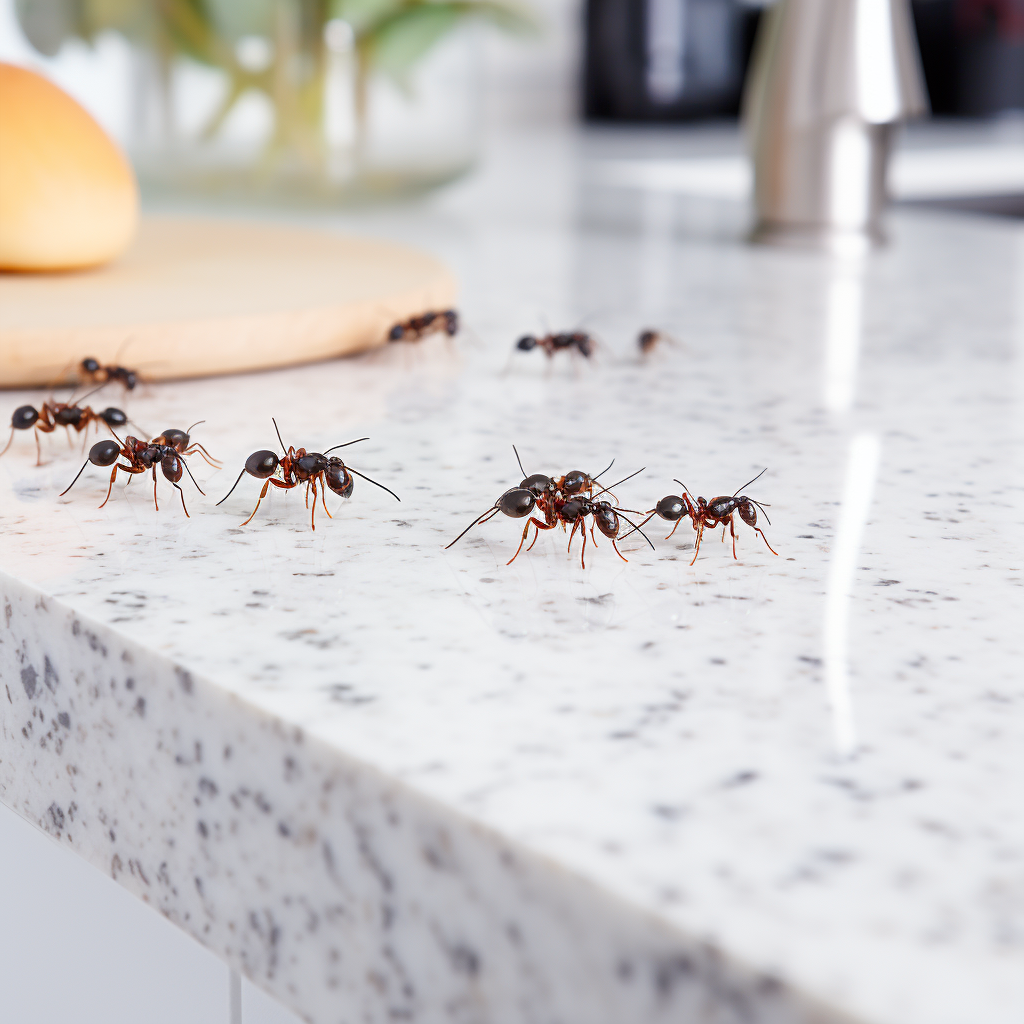
Termites are often confused with flying ants, especially during swarming season. Here’s how to tell them apart:
- Waist: Ants have a distinctly narrow, pinched waist. Termites have a broad, straight waist.
- Antennae: Ants have bent or “elbowed” antennae, while termites have straight, beaded antennae.
- Wings: Both have two pairs of wings, but a termite’s wings are equal in length. A flying ant’s front wings are longer than its back wings.
Types of Termite Treatment
Once an infestation is confirmed, the next step is treatment. The two most common and effective professional methods are liquid termiticides and bait systems.
Liquid Termiticides
This method involves creating a continuous chemical barrier around your home’s foundation. When termites tunnel through the treated zone, they come into contact with the termiticide, which they then carry back to the colony, effectively eliminating it. Modern non-repellent termiticides are undetectable to termites, making them highly effective.
Bait Systems
Termite baiting systems use strategically placed bait stations around the perimeter of your home. These stations contain a slow-acting substance that is more attractive to termites than wood. Foraging termites consume the bait and share it with the rest of the colony, leading to its gradual decline and elimination. This method is less invasive than liquid treatments and is considered environmentally friendly.
DIY vs. Professional Treatment
When faced with a termite problem, some homeowners might consider a do-it-yourself approach to save money. However, this often comes with significant risks and limitations.
DIY termite products available at hardware stores are generally less potent than professional-grade solutions. More importantly, effective termite control requires specialized knowledge of termite biology and construction practices to properly locate and treat colonies. An incomplete or incorrect application can leave your home vulnerable to further damage, leading to more expensive repairs in the long run.
Engaging a professional termite treatment service ensures the job is done correctly. Professionals have access to the most effective products, specialized equipment, and the expertise to apply them safely. They can accurately identify termite species, locate the colony, and implement a targeted treatment plan to achieve complete eradication.
Choosing a Termite Treatment Service in Arkansas
Selecting the right pest control company is a critical decision. Here are some factors to consider:
- Experience and Licensing: Look for a company with a proven track record and proper pest control licensing in Arkansas.
- Treatment Methods: Ask about the types of treatments they offer and why they recommend a particular method for your situation.
- Guarantees and Warranties: Reputable companies often offer guarantees or warranties for their work, which may include follow-up inspections and re-treatments if necessary.
- Customer Reviews: Check online reviews and testimonials. As a local business with a 4.9-star rating on Google, Nature Guard Pest & Lawn prides itself on exceptional customer service and satisfaction. Our team is dedicated to providing honest, reliable service.
Cost of Termite Treatment in Arkansas
The cost of termite treatment can vary based on several factors, including the size of your home, the extent of the infestation, and the type of treatment chosen. While it can be a significant expense, it’s important to view it as an investment in protecting your property’s value. The cost of a professional termite treatment service is minimal compared to the potential cost of repairing extensive structural damage.
At Nature Guard, we provide transparent pricing and detailed quotes, so you know exactly what to expect. We believe in delivering value by providing a thorough, effective service that gives you peace of mind.
How to Prevent Future Infestations
After treatment, the work isn’t over. Taking preventative steps is essential to keep termites from returning.
- Eliminate Moisture: Fix leaky faucets, pipes, and AC units. Ensure your gutters and downspouts direct water away from your home’s foundation.
- Remove Food Sources: Keep firewood, lumber, and other wood debris stored away from your foundation. Remove dead trees and stumps from your yard.
- Seal Entry Points: Seal any cracks or holes in your home’s foundation and around utility lines where termites could enter.
- Schedule Regular Inspections: The best defense is a good offense. An annual professional inspection can catch new termite activity early before it becomes a major problem. A recurring termite treatment service plan can provide continuous protection.
Protect Your Home with Nature Guard
Termites pose a serious threat to homes in Arkansas, but you don’t have to face them alone. By understanding the signs of an infestation and the importance of professional intervention, you can take decisive action to protect your property. An effective termite treatment service is your best defense against these destructive pests.
If you suspect you have a termite problem or want to schedule a preventative inspection, contact Nature Guard Pest & Lawn today. Our team of local experts is ready to provide you with a customized solution to keep your home safe and termite-free.