
Spring arrives in Arkansas with blooming dogwoods and warming temperatures. Unfortunately, it also brings swarms of winged insects that can cause homeowners to panic. Are those flying insects around your Bentonville home harmless ants or destructive termites? The difference matters more than you might think.
Correctly identifying flying termites vs flying ants can save Arkansas homeowners thousands of dollars in structural damage. While flying ants are mostly a nuisance, termites can silently destroy the wooden framework of your home. The humid Arkansas climate creates perfect conditions for both species to thrive, making proper identification crucial for protecting your property.
This comprehensive guide will help you distinguish between these winged invaders and understand when professional intervention becomes necessary. With expert insight from Nature Guard Pest & Lawn, Arkansas’s trusted pest control specialists, you’ll learn to spot the key differences and take appropriate action to safeguard your home.
Understanding the Key Physical Differences
The most reliable way to distinguish between flying termites and flying ants lies in examining their physical characteristics. Each species displays distinct features that become apparent with careful observation.

Body Structure and Shape
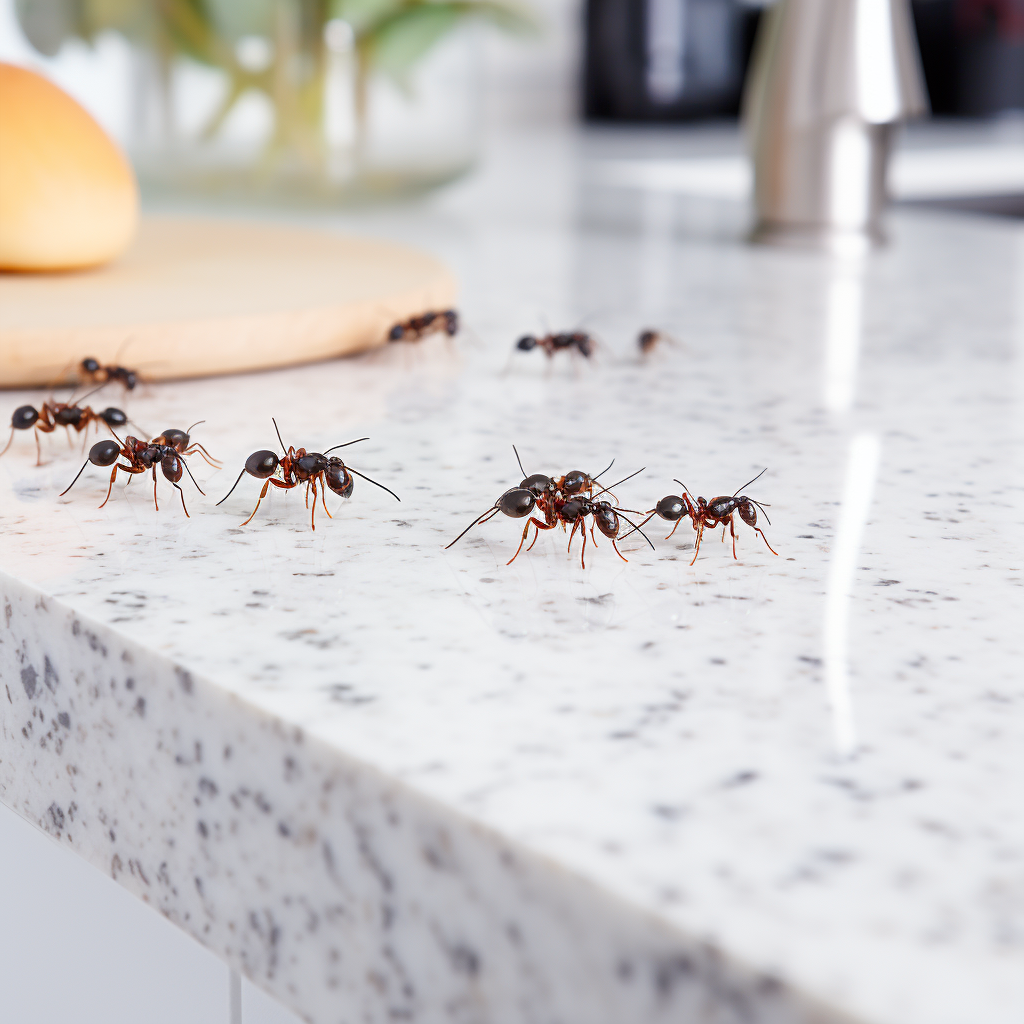
Flying ants maintain the classic three-segment body structure of all ants. Their bodies feature a clearly defined head, thorax, and abdomen with a pronounced “wasp waist” that creates an hourglass silhouette. This narrow constriction between body segments makes ants easily recognizable.
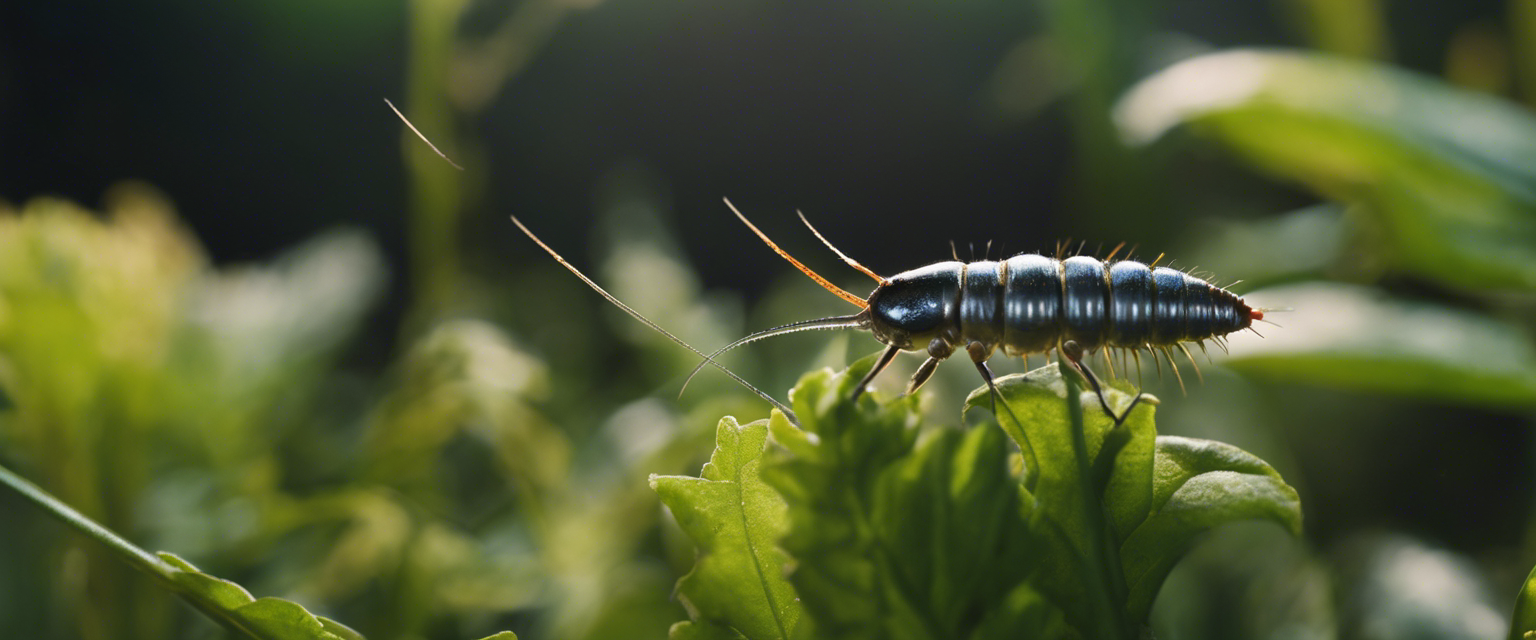
Termites present a completely different body profile. Their bodies appear more uniform and cylindrical, lacking the dramatic waist constriction found in ants. The segments flow together smoothly, creating a more streamlined appearance that resembles a small, pale sausage with wings.
Wing Characteristics
Wing structure provides another foolproof identification method. Flying ants possess four wings of unequal length—the front pair extends longer than the rear pair. These wings appear clear to slightly smoky and attach firmly to the thorax.
Termite wings tell a different story entirely. All four wings measure the same length and extend well beyond the insect’s body. These milky-white or translucent wings often appear oversized for the termite’s body. Additionally, termite wings detach easily, so you might find discarded wings around windowsills or doorframes after a swarm.
Antennae Structure
The antennae offer the final definitive identification feature. Ant antennae bend at distinct angles, creating an “elbow” or “L” shape that’s clearly visible even to the naked eye. These jointed antennae help ants navigate and communicate effectively.
Termite antennae remain completely straight and appear bead-like or slightly curved. They lack the angular joints that characterize ant antennae, giving them a simpler, more uniform appearance.
Behavioral Differences Between Species
Beyond physical characteristics, flying termites and flying ants exhibit markedly different behaviors that can aid in identification.

Swarming Patterns
Flying ants typically swarm during late spring and summer, especially after rainfall. These swarms last only a few hours and usually occur during daylight hours. The ants disperse quickly to establish new colonies elsewhere.
Termite swarms follow different patterns entirely. They often occur during humid evenings in spring, particularly after warm rain. Termite swarms can last several days, and the insects seem drawn to light sources like porch lights and windows.
Flight Capabilities
Ants are strong, agile fliers that can navigate effectively during their brief nuptial flights. They use their flying ability to travel considerable distances before establishing new colonies.
Termites are notoriously poor fliers. They flutter awkwardly and often fall to the ground shortly after taking flight. This weak flying ability means termites don’t travel far from their original colony location.
Where to Find Each Species in Arkansas
Understanding habitat preferences helps Arkansas homeowners identify flying termites vs flying ants and where problems might develop.
Flying Ant Habitats
Flying ants in Arkansas commonly nest outdoors in soil, under rocks, or in decaying wood. They prefer areas with adequate moisture but don’t require the constant dampness that termites need. You’ll often find ant colonies near:
- Garden areas with rich soil
- Underneath sidewalks or driveways
- Around tree stumps or fallen logs
- Near outdoor water sources
Termite Territories
Termites require consistent moisture and wood contact to survive. In Arkansas’s humid climate, they thrive in areas where wood stays damp or where soil contacts wooden structures. Common termite locations include:
- Basement areas with poor ventilation
- Crawl spaces with moisture issues
- Areas where wooden siding touches soil
- Around leaking pipes or poor drainage areas
- Decks and porches with ground contact
Assessing the Threat Level
The potential damage these insects can cause varies dramatically, making proper identification essential for an appropriate response.
Ant-Related Issues
Flying ants pose minimal structural threat to Arkansas homes. While particular species like carpenter ants can damage wood by excavating galleries, they don’t consume wood like termites. Most ant problems involve:
- Minor property damage
- Food contamination
- Aesthetic concerns
- Occasional allergic reactions to stings
Even carpenter ants primarily target wood that’s already damaged by moisture or decay. They prefer soft, wet wood and rarely attack sound structural lumber.
Termite Destruction Potential
Termites present an entirely different threat level. These insects consume cellulose found in wood, paper, and other organic materials. A single termite colony can contain hundreds of thousands of individuals working around the clock to consume wooden structures.
Arkansas homeowners face particular risk because the state’s climate supports multiple termite species. Subterranean termites, the most common variety in Arkansas, can cause extensive damage before detection. They consume wood from the inside out, leaving only thin outer shells that can collapse without warning.
Annual termite damage in Arkansas reaches millions of dollars, with individual homes suffering damage costs ranging from thousands to tens of thousands of dollars.
Prevention Strategies for Arkansas Homeowners
Proactive prevention remains the most effective strategy for avoiding both ant and termite problems in Arkansas’s challenging climate.
Moisture Control Measures
Both species require moisture to survive, making moisture control your first line of defense. Arkansas homeowners should focus on:
- Repairing leaking pipes and faucets promptly
- Ensuring proper drainage around foundation areas
- Installing adequate ventilation in crawl spaces and basements
- Using dehumidifiers in damp areas
- Cleaning gutters regularly to prevent water accumulation
Structural Modifications
Simple structural changes can significantly reduce your property’s attractiveness to these pests:
- Remove wood-to-soil contact around your home’s perimeter
- Store firewood at least 20 feet from structures and 6 inches off the ground
- Trim vegetation away from exterior walls
- Seal cracks in foundations and around utility penetrations
- Install proper vapor barriers in crawl spaces
Regular Inspections
Monthly visual inspections help catch problems early. Check areas where moisture accumulates, examine wooden structures for signs of damage, and look for mud tubes that might indicate termite activity.
Recognizing When Professional Help Becomes Necessary
While prevention efforts help significantly, some situations require professional intervention from experienced pest control specialists.
Warning Signs for Immediate Action
Contact Nature Guard Pest & Lawn immediately if you observe:
- Large swarms of winged insects around your home
- Discarded wings near windows or doors
- Mud tubes along foundation walls
- Wood that sounds hollow when tapped
- Visible damage to wooden structures
- Persistent moisture problems in structural areas
The Nature Guard Pest & Lawn Advantage
As Arkansas’s trusted pest control specialists, Nature Guard Pest & Lawn brings unique advantages to termite and ant management. Their local expertise encompasses the specific challenges that Arkansas’s climate and terrain present to homeowners.
The Nature Guard team understands the seasonal patterns of Arkansas pests and can distinguish between species that might confuse homeowners. Our comprehensive approach addresses both immediate infestations and long-term prevention strategies.
Professional Treatment Options
Nature Guard Pest & Lawn offers customized treatment solutions based on accurate species identification and infestation severity.
Ant Control Services
For ant problems, Nature Guard employs targeted treatments that eliminate colonies while preventing future invasions. This approach includes identifying entry points, treating nesting areas, and establishing protective barriers around your property.
Termite Management Programs
Termite control requires more comprehensive strategies. Nature Guard provides both liquid soil treatments and monitoring systems designed to eliminate existing colonies and prevent future infestations. Ongoing monitoring ensures early detection of any new termite activity.
Taking Action to Protect Your Arkansas Home
Distinguishing between flying termites vs flying ants isn’t just an academic exercise—it’s a crucial skill that can save Arkansas homeowners substantial money and stress. The physical and behavioral differences outlined in this guide provide reliable identification methods, but professional verification ensures accuracy when the stakes are high.
Don’t wait until minor problems become expensive disasters. If you’ve spotted winged insects around your Arkansas property, contact Nature Guard Pest & Lawn for professional identification and customized treatment solutions. Their local expertise and commitment to customer satisfaction ensure your home receives the protection it needs against both flying ants and destructive termites.