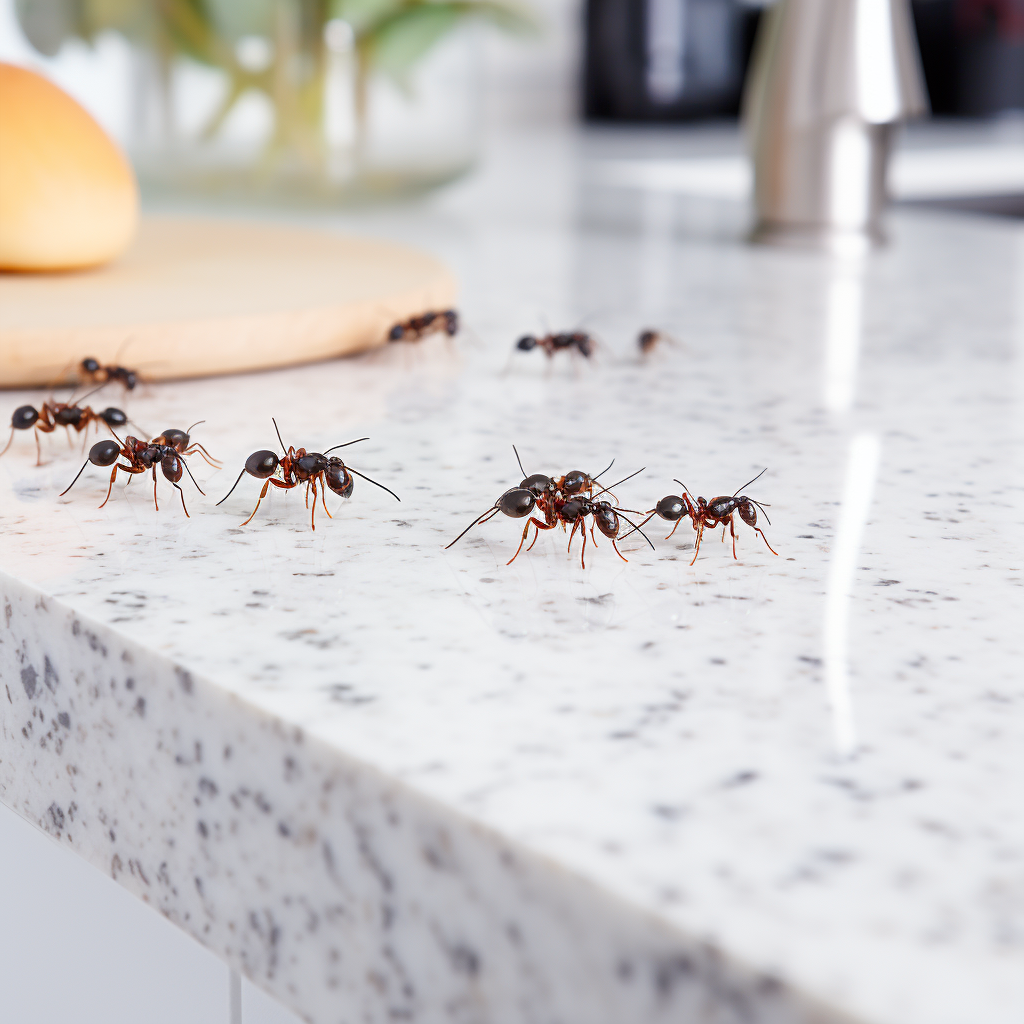


To effectively manage rodent populations in Arkansas, understanding the science behind efficient trapping methods is essential. From behavior patterns to strategic trap placement, each element plays an important role in successful pest control. By understanding bait selection, trap design, and modern trapping technologies, homeowners can make more informed decisions about protecting their property. At Nature Guard Pest & Lawn, we help Arkansas homeowners combine proven prevention strategies with professional rodent control solutions to keep homes pest-free year-round.
Key Takeaways
- Strategic trap placement along walls and in dark corners maximizes rodent encounters.
- Baits mimicking rodents’ natural diet, like peanut butter, increase trapping success.
- Incorporate snap traps, glue boards, and electronic traps for optimal capture rates.
- Understanding rodent behavior aids in trap placement and pesticide use for effectiveness.
- Implement Integrated Pest Management for comprehensive and sustainable control efforts.
Rodent Behavior and Trapping Strategies
Understanding rodent behavior is essential for implementing effective trapping strategies in Arkansas. When it comes to pest control, knowing how rodents behave can greatly improve control measures. For instance, rodents are neophobic, meaning they’re wary of new objects like traps. This behavior underscores the importance of strategic trap placement in areas where rodents frequent, such as along walls and in dark corners. By utilizing this knowledge, you can increase the likelihood of rodents encountering the traps.
Moreover, using pesticides to complement trapping efforts can be a potent control measure. Pesticides can be strategically placed near rodent pathways to target these pests effectively. However, it’s important to exercise caution when using pesticides, especially in areas accessible to children or pets. Understanding rodent behavior patterns not only aids in trap placement but also informs the judicious use of pesticides for a thorough pest control approach in Arkansas.
Importance of Bait Selection
Effective bait selection is an essential factor in maximizing trap success rates. When choosing baits, it’s vital to consider rodent preferences and select options that closely mimic their natural diet.
Peanut butter, with its potent scent and taste appeal, is a popular choice for attracting rodents to traps. Additionally, using baits that rodents commonly consume in their environment can greatly increase the chances of trapping them successfully.
Because these pests have a strong sense of smell, opting for baits with powerful odors like fish-based products can enhance trap effectiveness.
To determine the most attractive bait for a specific species in Arkansas, experimenting with different bait types is recommended. It’s important to regularly change and replenish baits to maintain the trap’s attractiveness and ensure continuous capture.
Trap Design Considerations
When designing traps, careful consideration of size and placement is essential to effectively target specific rodent species. Trap design plays an important role in rodent control efforts. Effective traps incorporate mechanisms such as snap traps, glue boards, and electronic traps to maximize capture rates. Understanding behavior and movement patterns is key in informing trap design for best results.
Material selection is also important, as traps made of durable plastic or metal tend to be more effective and long-lasting. Additionally, proper bait selection and placement are key factors in enhancing the attractiveness and success of rodent traps. Ensuring that traps are well-designed and strategically placed can greatly increase the chances of successful capture without the need to use pesticides.
For more information on trap design considerations or rodent control, feel free to contact us for expert advice.
Optimal Trap Placement Techniques
In addition, trap placement techniques have a significant impact on the success of rodent capture efforts by strategically targeting rodent pathways and behavior. Placing traps along walls or in corners aligns with rodents’ preference for traveling along edges to feel secure, increasing the likelihood of successful captures.
Utilizing multiple traps in a line can be advantageous as rodents tend to follow established pathways, maximizing the chances of catching them as they traverse these routes. Areas with visible droppings or signs of activity serve as prime spots for trap deployment, as they indicate high rodent traffic and increase trap success rates.
Elevating traps off the ground not only prevents accidental interference but also enhances trapping efficiency by keeping the traps out of reach of unintended disturbances. Regularly relocating traps to new positions can effectively target different rodent pathways, increasing overall trapping success rates as recommended by the Environmental Protection Agency (EPA).
Scientific Insights on Rodent Habits
Rodent habits, particularly those of mice and rats, are nocturnal, with these creatures most active at night. Understanding their foraging behavior is important for successful trapping. Rodents have a keen sense of smell, using it to locate food sources. This makes baited traps highly effective, as rodents are attracted to scents. Trap sensitivity testing is essential to make sure that the traps are triggered with the slightest touch, increasing the chances of capture.
Moreover, knowing rodent scent preferences can help in selecting the most enticing bait for the traps. Rodents tend to explore new objects in their environment, making traps with alluring bait more likely to succeed. Additionally, they tend to follow established pathways, emphasizing the importance of strategic trap placement along these routes. By aligning trap placement with important behavior patterns, such as foraging habits and scent preferences, one can greatly enhance the effectiveness of pest control measures.
Role of Environmental Factors
When setting up rodent traps in Arkansas, it’s essential to take into account how environmental factors like temperature and humidity can impact their efficiency.
Placing traps in areas with high rodent activity can greatly increase the chances of successful capture.
Understanding how these factors influence rodent behavior and trap effectiveness is key for implementing successful rodent control strategies in Arkansas.
Climate Impact on Traps
In Arkansas, the effectiveness of rodent traps can be greatly influenced by environmental factors such as temperature and humidity levels. High humidity levels may impact trap mechanisms, leading to decreased trapping success in certain conditions. Extreme temperatures, especially during summer or winter, can affect rodent behavior and trap efficacy.
It’s important to consider climate adaptation when placing traps to ensure successful rodent control. Understanding the weather impact on trap performance is essential for optimizing management strategies in Arkansas.
Habitat Influence on Rodents
An analysis of the environmental factors influencing rodent habitats in Arkansas reveals a critical interplay between food availability, shelter conditions, and water sources in shaping rodent populations in the region.
- Habitat diversity: Varied habitats, such as urban areas with access to human-made food sources and rural areas with natural food supplies, influence rodent distribution.
- Food availability: Abundant food sources such as garbage, pet food, and unsealed containers attract rodents, leading to increased infestations.
- Shelter options: Cluttered and unkempt areas provide rodents with hiding spots and nesting sites, facilitating population growth.
- Water sources: Access to water, whether from leaks or natural sources, is essential for rodent survival and proliferation in different habitats.
Understanding these factors is key to developing targeted rodent control strategies tailored to diverse habitats across Arkansas.
Understanding Rodent Populations
When analyzing rodent populations in Arkansas, it’s crucial to consider their behavior patterns, nesting habits, and population control strategies.
By understanding how rodents behave and where they nest, you can implement targeted control measures.
This knowledge forms the foundation for effective rodent population management in both urban and rural settings.
Rodent Behavior Patterns
Examining behavior patterns provides essential insights into understanding and managing rodent populations in Arkansas. To explore further, consider the following key points:
- Foraging behavior analysis and studying breeding habits help predict where rodents are likely to frequent and reproduce, aiding in targeted trap placement.
- Tracking movement patterns and observing social interactions reveal how rodents navigate their environment and interact with others, informing control strategies.
- Nesting site selection and research on territorial behavior shed light on areas where rodents establish homes and defend their territories, guiding trap positioning.
- By understanding these behavior patterns, one can develop more effective pest control methods tailored to the specific habits and tendencies of the rodent population in Arkansas.
Nesting Habits Analysis
Understanding the nesting habits of rodents in Arkansas is essential for implementing targeted pest control measures and effectively managing populations in various environments. Rodents, such as mice and rats, exhibit nesting preferences for warm, secluded areas like attics, basements, and wall voids. These locations provide shelter, warmth, and protection.
When creating nests, rodents use materials like shredded paper, fabric, and insulation, making it important to target areas with such items for control strategies. Nesting site selection is vital for the rodents’ survival, emphasizing the significance of disrupting these sites for successful pest control.
Population Control Strategies
Evaluating species diversity, population size, and distribution patterns of rodents in Arkansas is essential for developing effective population control strategies. Understanding the dynamics of the rodent population is vital in devising successful control measures.
Here are four key aspects to keep in mind when formulating population control strategies based on population data:
- Species Diversity: Assess the different species present in the area to customize control methods accordingly.
- Population Size: Determine the magnitude of infestations to implement targeted interventions.
- Distribution Patterns: Identify where rodents are most prevalent to concentrate control efforts in high-risk areas.
- Integrated Pest Management: Combine trapping, exclusion, and habitat modification techniques for a thorough approach to pest control.
Innovations in Trap Technology
With advancements in trap technology rapidly evolving, a new era of rodent control solutions is emerging in Arkansas. Innovations in trap technology include electronic traps that deliver a quick and humane kill to rodents. These traps utilize smart sensors to detect animal activity and trigger capture mechanisms automatically, increasing efficiency.
Advanced trap designs prioritize reducing the risk of accidental injury to non-target animals or children, making them safer to use in various environments. Additionally, modern traps may incorporate eco-friendly materials and reusable components, aligning with sustainable rodent control practices.
Monitoring and Maintenance Best Practices
To effectively monitor and maintain rodent traps in Arkansas, focus on optimizing trap placement efficiency and establishing a regular inspection schedule.
Properly positioned traps in areas of high activity increase the likelihood of successful captures.
Consistent checks and maintenance routines are key to maximizing trap performance and minimizing potential infestations.
Trap Placement Efficiency
For effective rodent control in Arkansas, place traps along walls or in areas with visible rodent activity. This strategic approach increases the likelihood of successful trapping.
To enhance trap placement efficiency, consider the following:
- Wall Placement: Placing traps along walls capitalizes on rodents’ natural tendency to travel along edges, increasing the chances of them encountering the traps.
- Activity Monitoring: Regularly monitoring rodent activity helps identify high-traffic areas, allowing for adjustments in trap placement to target these areas effectively.
- Trap Resetting: Maintenance is key. Reset traps promptly after a catch, replace bait regularly, and ensure traps are clean and functional for continuous control.
- Strategic Placement: Position traps near food sources, entry points, and nesting areas to maximize trapping success rates.
Following these best practices establishes a proactive approach to rodent control in Arkansas.
Regular Inspection Schedule
Regularly inspecting rodent traps in Arkansas is an important component of effective monitoring and maintenance practices for successful management. Trap inspection frequency is key, with traps requiring checking at least once a week to make sure they’re working at their best.
Monitoring bait levels and trap conditions is essential to maintain trap effectiveness in rodent control efforts. Adhering to maintenance protocols, such as cleaning and resetting traps as needed, is vital for continuous management.
Consistent inspection routines help promptly identify and address issues with traps, preventing rodent infestations from escalating. By following best practices for monitoring and maintaining traps, you can enhance rodent control efficiency, leading to more successful and sustainable outcomes in Arkansas.
Efficacy of Integrated Pest Management
The efficacy of Integrated Pest Management (IPM) in controlling rodent populations is well supported by studies demonstrating its ability to reduce reliance on toxic chemicals while promoting sustainable, long-term pest control strategies. IPM combines various effective strategies like trapping, exclusion methods, and sanitation practices to address rodent infestations thoroughly.
- Rodent exclusion methods: IPM emphasizes sealing entry points and blocking potential access areas to prevent rodents from entering buildings, reducing the need for constant trapping or chemical treatments.
- Sanitation practices: By maintaining clean and clutter-free environments, IPM reduces attractants for rodents, making the area less hospitable for infestations.
- Long-term prevention strategies: IPM focuses on addressing underlying causes of these issues, ensuring that control measures are sustainable and effective in the long run.
- Environmentally friendly approach: IPM minimizes the use of toxic chemicals, making it a safer option for both humans and the environment while effectively managing rodent populations.
Frequently Asked Questions
What Is the Success Rate of Rat Traps?
When you evaluate rat trap effectiveness, consider various trapping strategies and bait preferences. Success rates can reach up to 90% with well-placed traps and proper maintenance. Understanding these factors enhances your ability to control rodent populations.
How Do Rodent Traps Work?
To catch rodents effectively, place bait strategically in traps. When rodents enter for the bait, the trigger mechanism activates, trapping them inside. Understanding their behavior, trap efficiency, and environmental factors enhances trap design and success.
Do Rats Learn to Avoid Traps?
When rats associate traps with danger or observe others getting caught, they learn to avoid them. Their memory of negative experiences influences avoidance behavior. Neophobic tendencies make rats wary of new traps, impacting trap efficacy. Behavioral conditioning and cognitive abilities affect rodent learning and trap avoidance.
What Is the Maximum Distance of Traps for a Severe Rodent Infestation?
When dealing with a severe infestation, remember that placing traps closer together—within 10-15 feet—is key. Rodent behavior shows that strategic trap placement near entry points and nesting areas maximizes effectiveness.
Contact Nature Guard Pest & Lawn Today!
Understanding how rodent traps work is an important first step, but eliminating an active infestation often requires more than placing a few traps around your home. A professional inspection can identify entry points, nesting areas, and the most effective treatment strategy to stop rodents and help prevent them from returning.
Whether you’ve noticed droppings, scratching sounds, or signs of rodent activity, Nature Guard Pest & Lawn provides customized rodent control solutions designed for Arkansas homes and businesses. Our experienced team focuses on long-term prevention, not just temporary fixes, so you can have greater peace of mind.
Visit our website to learn more about our rodent control services or contact Nature Guard Pest & Lawn today to schedule an inspection and protect your home or business from rodents before the problem grows.