
Spending time outside in Arkansas comes with a hidden hazard that hides in tall grass and shady corners of your yard. Ticks are one of the biggest pest worries for families across the state, and they can pass along serious illnesses to both people and pets. The encouraging part is that a few smart habits can lower tick activity around your home in a big way.
This guide from Nature Guard Pest Control walks you through the ticks you are most likely to meet, where they hide, the health risks they carry, and the steps that actually make your property safer.
Common Tick Species You’ll Find in Arkansas
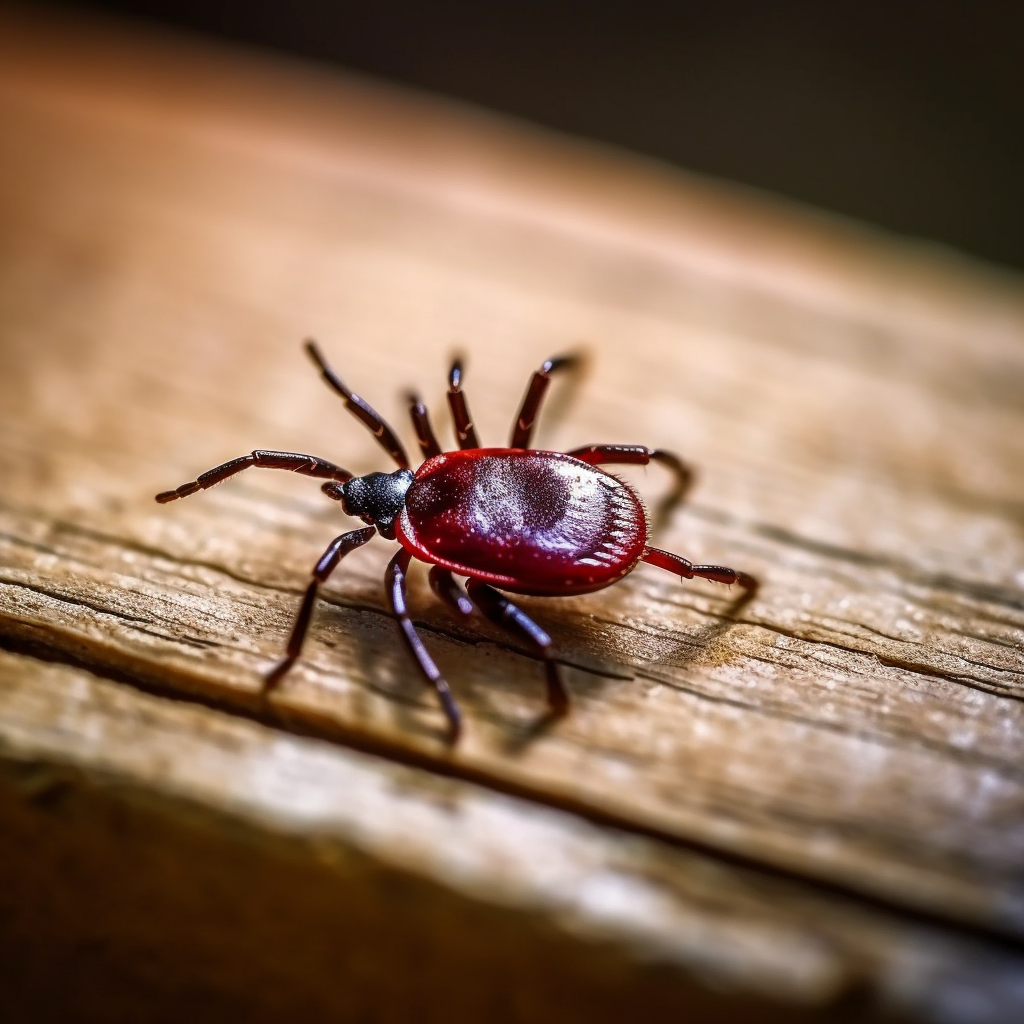
Arkansas hosts a wide variety of ticks, but only a handful regularly show up in yards and on pets. Knowing the main players helps you understand the risks they bring.
- Lone Star Tick: One of the most common ticks in the state. Females carry a single white dot on their backs. This species can spread ehrlichiosis, tularemia, and an unusual red meat allergy known as alpha-gal syndrome.
- American Dog Tick: The leading carrier of Rocky Mountain spotted fever in Arkansas. Adults often feed on dogs and people.
- Brown Dog Tick: Mostly targets dogs but will bite humans too. It can complete its life cycle indoors, which makes it tough to clear out.
- Blacklegged Tick: Sometimes called the deer tick. It is linked to Lyme disease, though Lyme risk in Arkansas stays fairly low compared to northern states.
- Gulf Coast Tick: More common in the southern part of the state and capable of spreading a milder form of spotted fever.
Where Ticks Hide in Your Yard
Ticks cannot jump or fly. Instead, they climb onto low plants and grab a host that brushes against them. That behavior means they gather in predictable places around a home:
- Tall grass and weeds along fence lines
- Piles of leaves and low brush
- The edges where your lawn meets woods
- Cool, shaded spots beneath shrubs and decks
- Stacked firewood, especially near the house
Pay extra attention to the strip between your mowed lawn and any wooded or overgrown area. This boundary is prime tick territory.
Why Ticks Thrive Throughout Arkansas
The state’s warm, humid weather gives ticks a long and active season. In colder regions, harsh winters knock back tick numbers, but Arkansas winters rarely do much damage. Many ticks simply wait out the cooler months in leaf litter, soil, and on animal hosts, then return when temperatures climb in spring.
Local wildlife adds to the problem. Deer, mice, and other rodents carry ticks into yards, especially properties near fields or woods. Cutting down on rodent activity around your home can reduce how many ticks settle in. Our rodent control resources explain how to keep those hosts away.
Health Risks for People and Pets
Tick bites are more than an itchy nuisance. Arkansas reports notable numbers of tick-related illnesses each year, and some of them are serious.
Diseases tied to ticks in the state include:
- Rocky Mountain Spotted Fever: Often the most severe tick illness here. Early signs include fever, headache, body aches, and nausea.
- Ehrlichiosis: Usually spread by the lone star tick. It can turn dangerous without treatment.
- Tularemia: Arkansas sees high case counts for this infection.
- Alpha-Gal Syndrome: A red meat allergy that can follow a lone star tick bite.
Pets face their own dangers. Dogs are favorite targets for the brown dog tick, and both cats and dogs can fall ill from bites. Ask your veterinarian which preventive products fit your animals best.
How to Make Your Yard Less Inviting to Ticks
Changing your yard is one of the strongest defenses you have. A few consistent habits create conditions ticks dislike:
- Mow often and keep grass short, especially near play areas and fences.
- Rake up leaves and clear brush around the edges of your property.
- Lay a three-foot band of gravel or wood chips between your lawn and any woods.
- Store firewood in a dry spot away from the home.
- Move swing sets and play equipment into sunny areas, since ticks avoid direct heat.
Small adjustments add up over a season. For a closer look at how weather shifts pest behavior across the year, our seasonal pest guide for Arkansas offers helpful background.
Protecting Your Family and Pets Outdoors
Personal protection forms the second layer of defense, particularly from early spring through late fall.
For People
- Use a repellent with DEET on exposed skin, or treat clothing with permethrin.
- Wear light-colored clothes so ticks stand out.
- Tuck pant legs into your socks in brushy areas.
- Stick to cleared trails instead of wading through tall grass.
- Shower soon after coming inside.
For Pets
Talk with your vet about collars, topical treatments, or oral medications. After your dog or cat comes indoors, run your hands through their fur and check the ears, between the toes, and under the collar.
How to Check for Ticks After Time Outside
Ticks often wander on the body before they bite, so a careful check can stop many bites before they happen. Look closely at:
- Under the arms and behind the knees
- Around the ears and along the hairline
- The belly button and waistband
- Between the legs
If you find one attached, grab it close to the skin with fine-tipped tweezers and pull straight up using steady pressure. Clean the spot with rubbing alcohol or soap and water. Quick removal lowers the chance of disease. If a fever, rash, or flu-like symptoms appear within a few weeks, call your doctor and mention the bite.
When to Bring in a Professional
Good yard care covers a lot of ground, but some situations call for expert help. If you keep finding ticks on family members or pets despite your efforts, a professional treatment may be the answer.
Trained technicians focus on the spots where ticks gather most, such as shaded edges, leaf litter, and wooded borders. They can review your specific property and suggest a plan that fits it. You can find more pest guidance anytime in the Nature Guard knowledge hub.
Create a Safer Outdoor Space With Nature Guard
Ticks are a manageable threat when you pair steady prevention with the right support. If tick activity around your home stays high, or you simply want a safer yard for your family and pets, the team at Nature Guard can build a treatment plan suited to your property. Reach out today to schedule an inspection and take back your outdoor space.