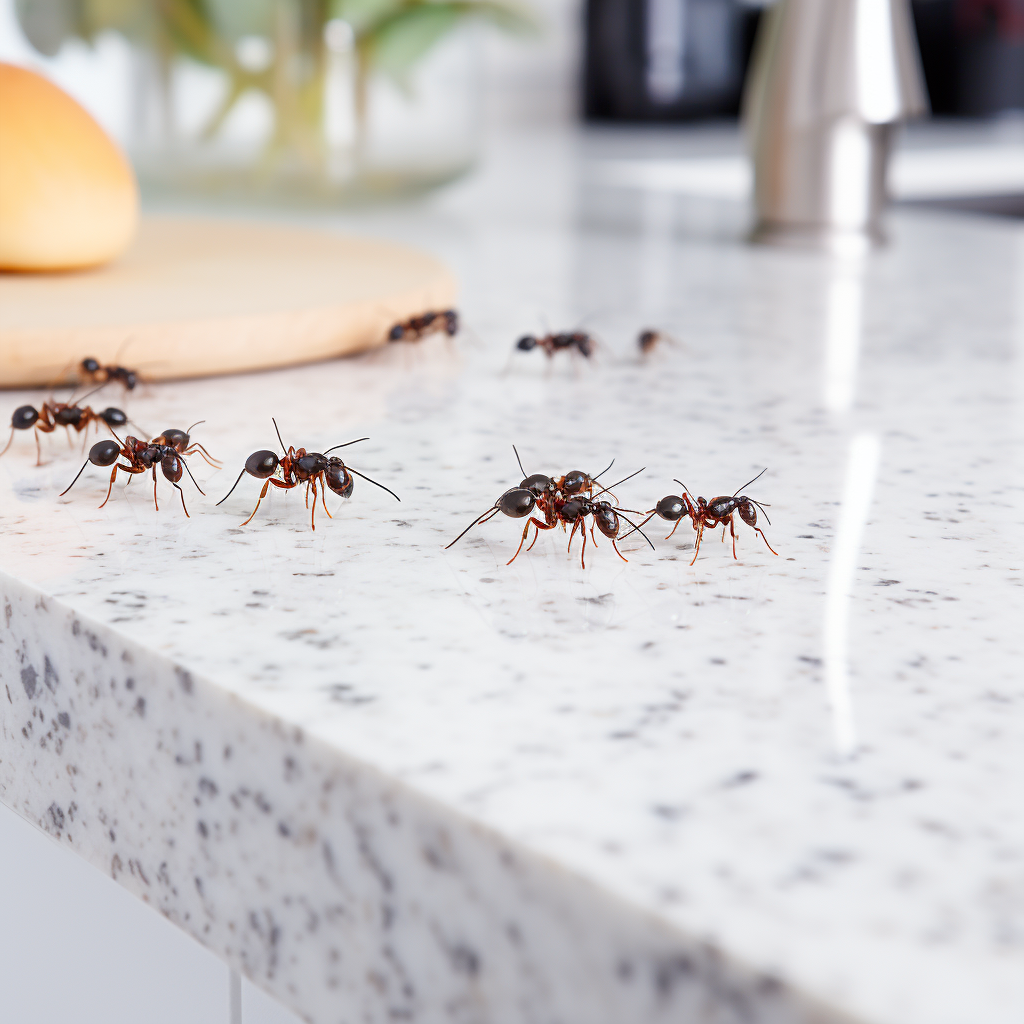

As the old saying goes, “The world is built on the backs of ants.” And nowhere is this truer than in the ecosystems of Northwest Arkansas. These small insects may seem insignificant, but they play an important role in maintaining the balance of nature. From improving soil conditions to dispersing seeds, ants contribute to the biodiversity and health of the region in ways that often go unnoticed.
While many species provide ecological benefits in natural environments, some can become problematic when they invade homes, businesses, and outdoor living spaces. Understanding their role in the environment can help homeowners appreciate their importance while also recognizing when professional assistance from Nature Guard Pest & Lawn may be needed.
So, buckle up and prepare to discover the hidden world of these fascinating insects and their contributions to Northwest Arkansas ecosystems.
Key Takeaways
- These insects in Northwest Arkansas play a crucial role in improving soil structure by creating channels and tunnels, enhancing water and oxygen flow to plant roots.
- The seed dispersal activities of these species contribute to the colonization and genetic diversity of plant populations in the region.
- These beneficial insects act as decomposers, breaking down organic material and releasing nutrients back into the ecosystem.
- They also serve as unintentional pollinators, aiding in plant reproduction and supporting the stability and biodiversity of the ecosystem.
Ants as Soil Aerators
These insects play a crucial role in the ecosystem of Northwest Arkansas by aerating the soil, improving water and oxygen flow to plant roots. These tiny creatures are like nature’s soil aerators, creating channels and tunnels as they burrow through the ground.
As they move through the soil, they loosen compacted areas and break up clumps, enhancing soil structure. This promotes better water infiltration and drainage, reducing the risk of waterlogging and root rot. Additionally, the improved soil structure allows plant roots to access nutrients more efficiently, leading to better nutrient absorption.
The process of soil aeration also increases oxygen availability in the soil, which supports the growth of beneficial soil microbes. Ultimately, the actions of these insects as soil aerators contribute to the overall health and productivity of the ecosystem in Northwest Arkansas.
Ants as Seed Dispersers
The role of these insects in the ecosystem of Northwest Arkansas extends beyond soil aeration. They also serve as important seed dispersers. Various species contribute to the dispersal of seeds in the ecosystem, aiding in the colonization and genetic diversity of plant populations.
They transport seeds to their tunnels for consumption, and the discarded seeds have the potential to sprout and develop into new plants due to the actions of these insects. This process plays a crucial role in the regeneration and expansion of plant populations, supporting ecosystem diversity and resilience.
Local colonies, comprising different species, facilitate the dispersal of seeds, thus contributing to the overall health and sustainability of the ecosystem in Northwest Arkansas.
Ants as Decomposers
Continuing our exploration of the multifaceted role of these insects in the ecosystem of Northwest Arkansas, we now turn our attention to their vital contribution as decomposers.
These organisms play a crucial role in the decomposition process, consuming a wide range of organic material and breaking it down into smaller particles. This activity releases nutrients back into the ecosystem, supporting the overall health of the environment. By recycling organic matter, they contribute to nutrient cycling, ensuring a continuous supply of essential elements for other organisms.
Additionally, the decomposition activities of these insects provide a valuable food source for various organisms, including birds, reptiles, and insects. Through their ecological interactions, they also form mutualistic relationships with plants and fungi, contributing to the stability of the ecosystem in Northwest Arkansas.
Ants as Pollinators
With their role as decomposers established, it’s crucial to recognize the significant contribution of these insects as pollinators in the ecosystem of Northwest Arkansas.
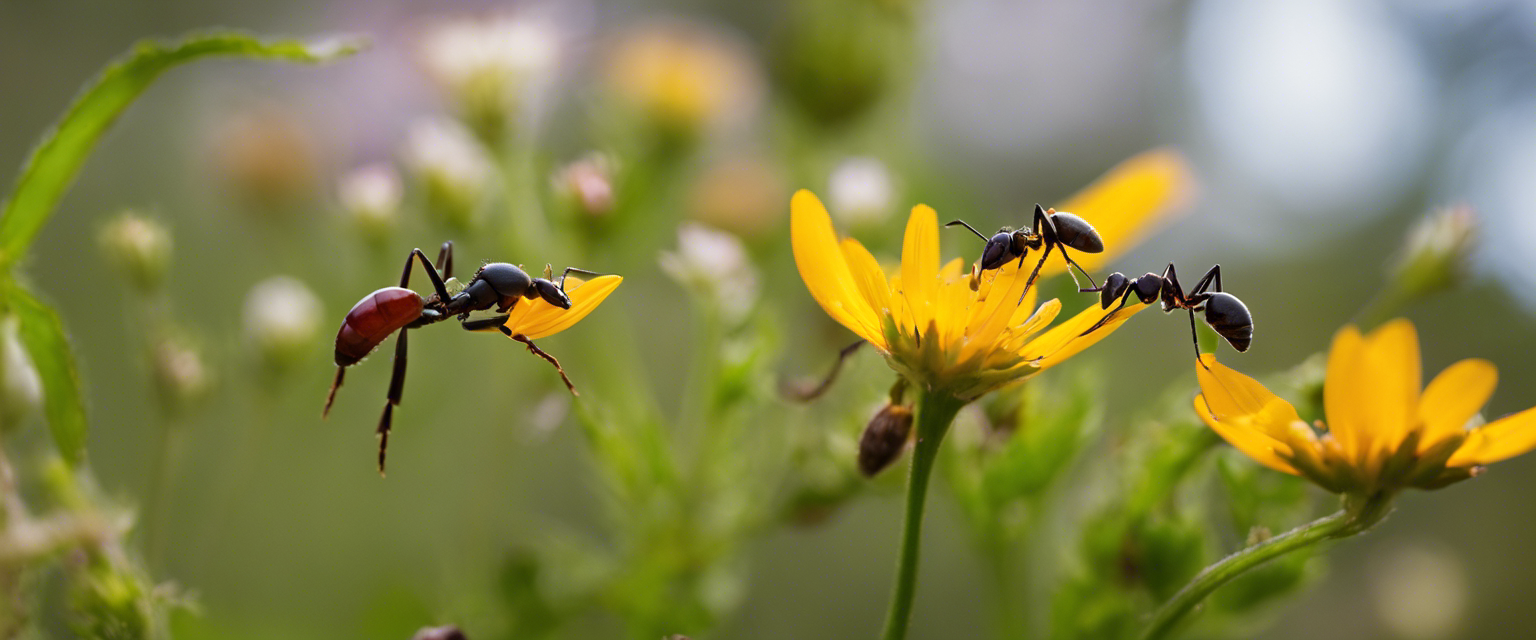
These species, along with other insects, play a vital role in the pollination of plant species. As they forage for nectar and food, they unintentionally transfer pollen from one flower to another. This process aids in plant reproduction and ensures the genetic diversity and regeneration of plant populations.
Some plant species have co-evolved with these insects, relying on them as their primary pollinators. The interactions between these pollinators and plants support the overall stability and biodiversity of the ecosystem in Northwest Arkansas.
Through their role as pollinators, they contribute to the intricate web of life, ensuring the survival and flourishing of various plant species in the region.
Ants as Pest Controllers
Having established the crucial role of these insects as pollinators in the ecosystem of Northwest Arkansas, let’s now explore their significance as natural pest controllers.
These beneficial insects, through their predatory behavior, act as effective pest control agents within the ecosystem. They prey on other insect pests, helping to control their populations and maintain a balance in the environment. This is particularly important in agriculture, as they play a crucial role in reducing agricultural damage and protecting crops from harmful insects.
By managing the spread of pests, these species minimize the need for chemical pesticides, contributing to the overall health and sustainability of the ecosystem. Certain species, such as carpenter ants, are especially effective in controlling pest populations.
Their presence helps ensure that the ecosystem remains in equilibrium, benefiting both the environment and human activities.
Frequently Asked Questions
How Are Ants Important to the Ecosystem?
These insects are vital to the ecosystem, contributing to ecological balance, soil health, pollination assistance, and natural pest management. They aerate the soil, disperse seeds, aid in decomposition, and serve as a food source, supporting biodiversity and maintaining ecosystem resilience.
What Are the Big Ants in Arkansas?
The big ants in Arkansas are fire ants, carpenter ants, odorous house ants, acrobat ants, and Argentine ants. These species have different behaviors, habitats, and population dynamics that play important roles in the ecosystem.
Are There Fire Ants in Northern Arkansas?
Yes, there are fire ants in northern Arkansas. Their migration poses challenges for agriculture, and their stings can be painful. Proper management can help reduce issues associated with these insects.
Can We Live Without Ants?
You can’t underestimate the importance of these insects. Without them, agriculture would suffer, soil health would decline, and the decomposition process would be disrupted. They also play an important role in pollination and nutrient cycling.
Contact Nature Guard Pest & Lawn Today!
Don’t let unwanted insect activity disrupt your home or outdoor spaces. Contact Nature Guard Pest & Lawn today to schedule an inspection and learn how our customized protection programs can help keep your property comfortable and protected year-round.
Nature Guard Pest & Lawn provides comprehensive services throughout Northwest Arkansas, including ant management, termite protection, mosquito reduction, rodent control, lawn care programs, and year-round home protection plans.
Check out our Google reviews and see why your neighbors trust our services. Nature Guard Pest & Lawn is proud to maintain a 4.9-star rating with 700+ reviews. Our reputation is built on knowledgeable technicians, responsive customer service, and solutions tailored to the unique needs of Arkansas homeowners.
Don’t let unwanted insect activity disrupt your home or outdoor spaces. Contact Nature Guard Pest & Lawn today to schedule an inspection and learn how our customized protection programs can help keep your property comfortable and protected year-round.