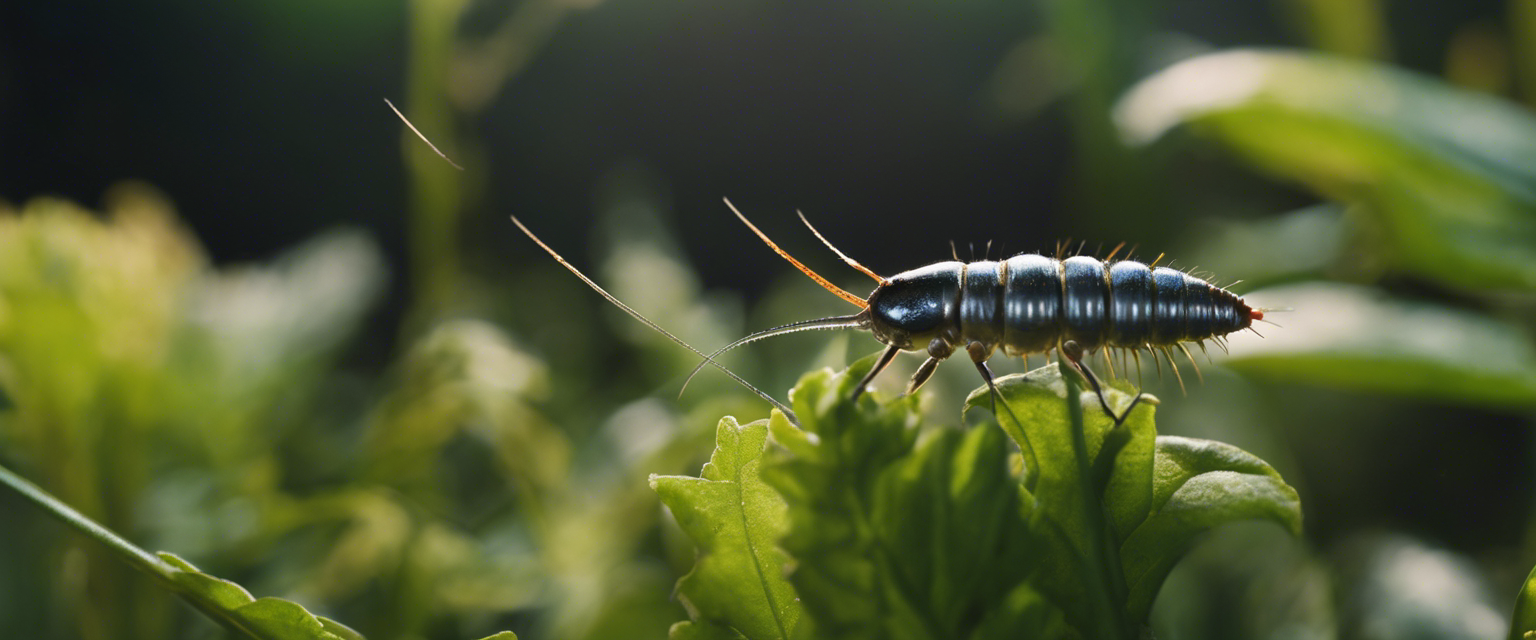


Just as you’re enjoying the comfort of your Arkansas home, you may suddenly find yourself sharing that space with an unwelcome eight-legged guest. Spider activity is common across Arkansas, especially during seasonal transitions when insects become more active, and spiders follow food sources indoors.
At Nature Guard Pest & Lawn, we work with Arkansas homeowners every day to identify, control, and prevent spider infestations using strategies tailored specifically to local species and environmental conditions. From brown recluses and black widows to wolf spiders and jumping spiders, understanding what you’re dealing with is the first step toward effective control.
By learning to recognize signs of infestations, applying natural and chemical control methods appropriately, and knowing when to seek professional help, you can regain control of your home with confidence.
Key Takeaways
- Implement natural deterrents like planting mint or using citrus peels.
- Regular cleaning and decluttering reduce the risk of infestations.
- Chemical exterminators, such as cyfluthrin, effectively control severe infestations.
- Professional services offer personalized strategies for dangerous or venomous species.
Identifying Common Spiders
To effectively manage the battle against spiders in Arkansas, it’s important to first identify the common species inhabiting the area.
- The brown recluse, distinguishable by its violin-shaped mark and brown color, often hides in secluded spaces.
- The black widow, known for its black color and red hourglass mark, poses a significant risk due to its venom.
- Huntsman spiders, with their flat bodies and agility, can startle you with their speed.
- Jumping spiders, small and fuzzy with large eyes, exhibit remarkable hunting skills.
- Finally, the wolf spider, camouflaged with complex patterns, can grow up to 1 1/2 inches.
Understanding these species is essential for effective control efforts, ensuring you’re prepared to protect your home and feel a sense of belonging in Arkansas without the worry of these common arachnids.
Recognizing Infestation Signs
Identifying signs of a spider infestation involves closely monitoring several key indicators that can reveal their presence in your home.
First, noticing webs in various areas is a clear signal of a potential problem, which requires prompt control measures. Sightings of spiders, particularly recluse spiders, crawling or hiding in corners, also highlight an emerging pest issue. Discovering egg sacs in hidden spots is a definitive sign of an infestation, indicating a growing spider population. Additionally, finding shed spider skin points to an established presence. An increase in insect prey, such as flies or mosquitoes, in your home suggests that spiders are nearby, looking for their next meal.
Recognizing these signs is crucial for timely prevention, ensuring that your home remains a safe haven from these pests.
Natural Deterrent Strategies
How can you naturally deter spiders from invading your home without relying on harsh chemicals?
Planting mint, lavender, or eucalyptus around your house can create a natural barrier, as spiders tend to avoid strong scents. In the same way, scattering citrus peels such as lemon or orange in areas where spiders are commonly seen can serve as an effective deterrent due to their potent aroma.
You can also make a spider-repelling spray using essential oils like tea tree oil, peppermint oil, or citrus oil. This provides a more targeted method for discouraging spiders from settling indoors.
Maintaining a clean, clutter-free home further reduces potential hiding spots. In addition, cleaning surfaces with vinegar or a vinegar-water solution may help repel spiders because of its strong odor.
Together, these environmentally friendly strategies offer a practical and natural approach to minimizing spider activity while keeping your home comfortable and protected.
Chemical Extermination Methods
While natural deterrents offer a gentler approach, certain situations necessitate the use of chemical extermination methods to effectively manage spider populations in Arkansas. Insecticides like cyfluthrin, cypermethrin, and deltamethrin become essential tools in this battle.
Applied according to label directions, these chemicals perform spot treatments, targeting specific areas plagued by spider infestations, such as those caused by brown recluse or Black widow spiders. It’s crucial to combine these treatments with habitat reduction and thorough cleaning practices for long-term effectiveness.
Professional pest control services specialize in these chemical methods, providing a robust solution to residents facing severe spider issues around their homes. Opting for professional spider control through a reputable pest control company guarantees that the application of these potent chemical extermination methods is both safe and effective.
Professional Intervention Options
While DIY efforts and preventative strategies can significantly reduce spider activity, there are times when professional intervention is the safest and most effective solution. Persistent sightings, webs reappearing quickly after removal, egg sacs in hidden areas, or activity spreading throughout multiple rooms may indicate a deeper issue that requires expert evaluation.
Professional pest control services provide several advantages:
- Accurate identification of Arkansas spider species
- Thorough inspections to uncover hidden nesting areas and entry points
- Targeted interior and exterior treatments
- Perimeter barrier applications to prevent re-entry
- Long-term prevention plans tailored to seasonal spider activity
Nature Guard Pest & Lawn
At Nature Guard Pest & Lawn, our Northwest Arkansas technicians begin with a detailed inspection to identify conducive conditions, harborage areas, and structural vulnerabilities. We then develop a customized treatment plan designed to eliminate active infestations and reduce future risk.
Our approach may include targeted treatments, habitat modification recommendations, web and egg sac removal, and ongoing maintenance services to provide year-round protection. With a 4.9-star rating on Google and over 600 reviews, Arkansas homeowners consistently trust Nature Guard for dependable, responsive pest control solutions designed specifically for local spider challenges.
Frequently Asked Questions
What Is the Most Poisonous Spider in Arkansas?
In Arkansas, you’re up against the brown recluse, the most venomous spider lurking in your home. Its venom packs a punch, causing nasty sores. It’s important you learn spider identification for your safety.
Will Vinegar Kill a Black Widow?
Vinegar’s effectiveness against black widows is minimal; it’s not a reliable household remedy. For your safety, explore alternative solutions and professional help. Experimenting with concentration levels or application methods won’t guarantee their removal. Always prioritize safety precautions.
How Do You Prevent Spider Bites?
To prevent spider bites, wear protective clothing and use spider repellents like essential oils. Modify habitats and install window screens. At night, take extra precautions and know bite symptoms for quick emergency response. Consider professional exterminators.
How Do You Treat Spiders in Ipm?
In IPM, you’re painting a safer environment. By combining spider identification, habitat modification, and moisture control with biological predators, you limit chemical pesticides. Regular cleaning, natural repellents, and monitoring devices support this holistic approach, involving professional exterminators when necessary.
Contact Nature Guard Pest & Lawn Today!
Spiders are a common part of life in Arkansas, but that doesn’t mean they have to become permanent residents in your home. By identifying common species, recognizing early infestation signs, implementing natural deterrents, and understanding when chemical treatments or professional intervention are necessary, you can significantly reduce spider activity.
When infestations persist or involve potentially dangerous species, professional support provides the most thorough and lasting protection. Nature Guard Pest & Lawn offers customized inspections, targeted treatments, and ongoing prevention plans to help Arkansas homeowners reclaim their spaces with confidence.
If spider activity is increasing in your home, or you want proactive protection, contact Nature Guard Pest & Lawn today to schedule your service and restore peace of mind.