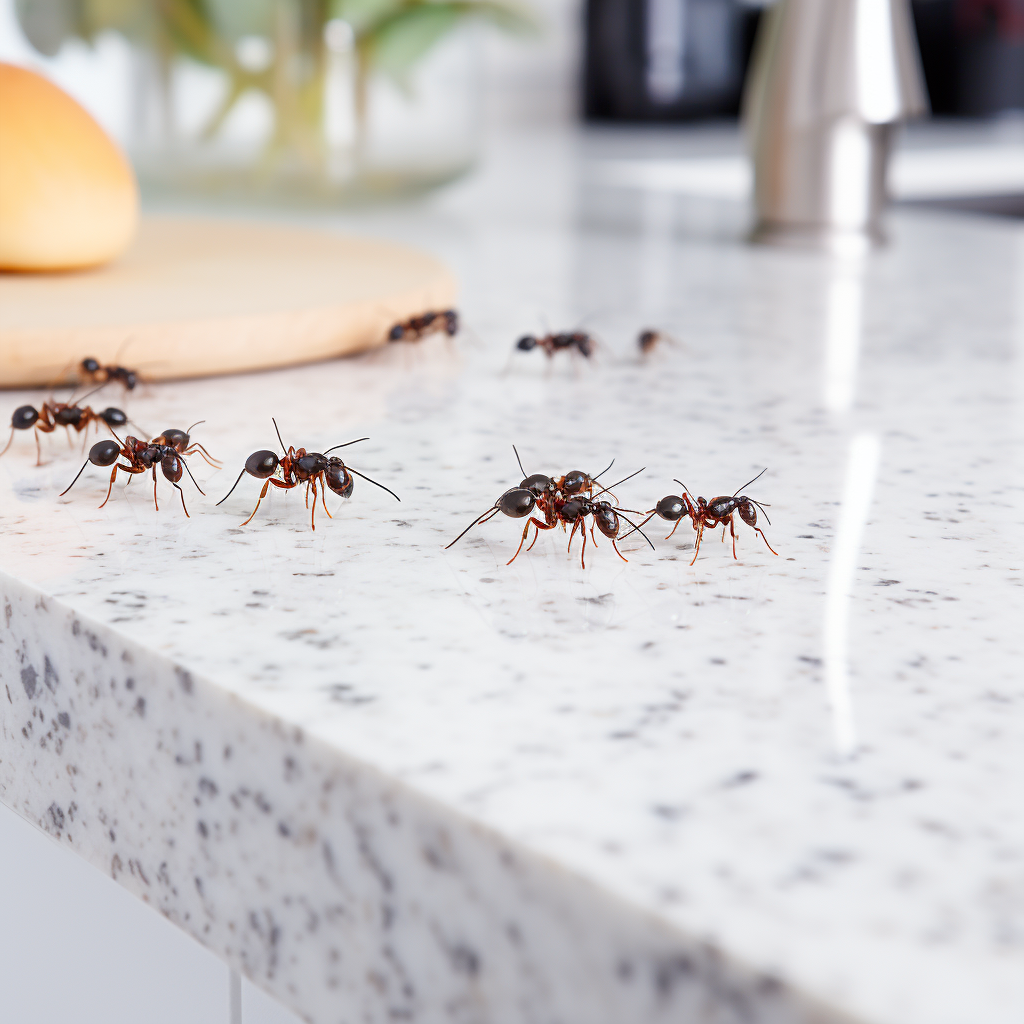


Many Arkansas homeowners ask the same question when pest problems show up: What should pest control actually cost? It is a fair concern. If you are seeing ants in the kitchen, hearing movement in the attic, or dealing with mosquitoes around the yard, you want answers that are practical and easy to understand.
The truth is that pest control cost Arkansas homeowners pay can vary quite a bit. Pricing depends on the type of pest, the extent of the problem, the size of the property, the type of service needed, and whether the goal is short-term relief or year-round protection. Because no two homes are exactly alike, a professional inspection is usually the best way to determine the right treatment plan and price.
If you want to explore local solutions and get a better idea of what service may fit your home, visit Nature Guard Pest & Lawn. A little background on pricing can help you make a smarter choice and avoid spending money on the wrong approach.
What Affects Pest Control Cost in Arkansas?
Several factors shape the cost of pest control services. Most companies look at the details of the issue before giving a quote, and for good reason. A small exterior treatment is very different from managing a persistent infestation inside the home.
Here are some of the biggest factors that affect pricing:
- Type of pest: Ants, spiders, rodents, termites, and mosquitoes all require different treatment methods, materials, and times.
- Severity of infestation: A minor issue caught early is usually easier and less costly to address than a well-established infestation.
- Size of the home or property: Larger homes and yards take more time to inspect and treat.
- Where treatment is needed: Some services focus mainly on the exterior, while others require indoor treatment, attic work, crawl space access, or perimeter applications.
- One-time visit or recurring service: A single service call and a long-term prevention plan are priced differently because they serve different goals.
- Level of treatment complexity: Some infestations involve hidden nesting areas, moisture issues, or multiple entry points, requiring a more detailed strategy.
In Arkansas, termites, rodents, and recurring problems often involve more labor and follow-up than routine general services. That added complexity usually affects the final cost.
Average Pest Control Service Types and Pricing Factors
While exact pricing depends on the home and the pest issue, understanding the main categories and what typically affects their cost helps.
General Pest Control
General pest control usually covers common household pests such as ants, spiders, and other occasional invaders. Pricing often depends on the size of the house, whether both the inside and outside need treatment, and how active the pest issue is at the time of service.
For many homeowners, this is the most common starting point. It can also become part of a recurring plan designed to manage pests season after season.
Termite Inspections and Treatments
Termite services are often more specialized than standard pest control. Costs may depend on the structure’s size, the foundation layout, evidence of active termite activity, and the recommended treatment method.
Because termites can affect structural wood, treatment planning is usually more detailed. This is one reason a proper inspection matters so much before pricing is discussed.
Rodent Control
Rodent control pricing can vary based on the level of activity and the number of areas that need attention. A home with a few signs of mice may require a different approach than one with multiple entry points, attic activity, or contamination concerns.
In many cases, rodent service includes more than trapping. It may also involve identifying access points, recommending improvements to exclusion, and planning follow-up visits.
Mosquito Treatments
Mosquito service is often influenced by yard size, landscaping density, moisture levels, and the frequency of treatment during the warmer months. In Arkansas, mosquito activity can remain a concern throughout much of the year, especially in humid conditions.
Seasonal mosquito plans may provide better value than waiting until outdoor spaces become difficult to use.
Preventive Recurring Service Plans
Recurring pest prevention plans are designed to manage pest pressure year-round. These services may be monthly, bi-monthly, or quarterly, depending on the provider and the property’s needs.
Pricing for ongoing plans reflects regular monitoring, seasonal adjustments, and the value of preventing issues before they become more serious. For many homeowners, this approach offers more consistent long-term protection than repeated one-time visits.
Why Professional Inspections Matter
A professional inspection does more than confirm the presence of pests. It helps identify where they are coming from, what conditions may be contributing to the problem, and how extensive the issue may be behind the scenes.
That matters because visible pest activity is often only part of the story. Ants may be entering through tiny gaps around windows. Rodents may be nesting in insulation. Moisture around the foundation may increase the risk of pest activity both outdoors and indoors.
A detailed inspection can help homeowners avoid paying for treatments that do not address the source of the problem. It can also help prioritize the most effective service, rather than relying on guesswork.
If you want to learn more about what professionals look for during a home evaluation, this guide to home pest inspection in Arkansas offers a helpful overview.
One-Time Treatments vs Ongoing Prevention Plans
A one-time treatment can make sense in some situations, especially if the issue is isolated and caught early. But many homeowners in Arkansas discover that pests tend to return unless the home is monitored and treated on an ongoing basis.
That is because pest activity changes with the seasons. Warm weather can bring ants, mosquitoes, and wasps. Cooler temperatures often push rodents and other pests toward sheltered areas around the home. Humidity, rain, and temperature swings all affect where pests live and how active they become.
Ongoing prevention plans are built around that reality. Instead of reacting only when issues become visible, these programs help reduce pest pressure year-round. That can lead to fewer surprise infestations, less repeated spending on short-term fixes, and more predictable home protection.
If you want a closer look at why seasonal service matters, read more about year-round pest control in Arkansas.
DIY Pest Control vs Professional Pest Control Costs
Many homeowners start with do-it-yourself pest control because it seems less expensive upfront. A trap, bait station, or store-bought spray may feel like the quickest and cheapest solution.
Sometimes DIY products help with mild pest activity. But they often fall short when the issue is recurring, hidden, or more widespread than it appears at first. If you keep buying sprays, traps, and repellents without solving the source of the problem, the total cost can add up fast.
There is also the cost of time and frustration. Repeated treatments, cleanup, and trial-and-error product choices can wear homeowners down. In some cases, delays can allow infestations to spread further, leading to more damage and more expensive service later.
Professional pest control usually brings more value when the focus is on long-term prevention. Instead of just addressing visible pests, a trained technician can evaluate the home, recommend a tailored strategy for the specific issue, and help reduce the risk of repeat problems.
Choosing the Right Pest Control Company in Arkansas
Price matters, but it should not be the only factor when choosing a provider. The right company should offer clear communication, strong local knowledge, and treatment plans that align with the home’s actual needs.
When comparing providers, homeowners should look for:
- Proper licensing and professional standards
- Experience with Arkansas pest activity and seasonal trends
- Clear explanations of what is included in the service
- A prevention-focused approach, not just short-term treatment
- Good customer communication and responsive support
- Thorough inspections before recommending solutions
A provider that takes time to inspect and explain the situation is often more valuable than one that offers a quick quote without understanding the property. If you are reviewing local options, this guide to pest control in Bentonville can help you understand what to look for.
Why Many Arkansas Homeowners Choose Nature Guard
Nature Guard takes a practical, personalized approach to pest control. Instead of relying on a one-size-fits-all service model, the team focuses on understanding the home, the pest issue, and the customer’s long-term needs.
That means customized treatment plans, responsive service, and a strong focus on prevention. Local experience also matters. Arkansas homes deal with changing pest pressure throughout the year, and treatment plans work best when they reflect those local patterns.
For homeowners who want a clearer picture of what service may be needed, requesting an inspection is often the best first step. It allows the team to evaluate the issue properly and provide pricing based on the actual home and pest conditions, not a generic estimate.
Final Thoughts on Pest Control Cost in Arkansas
There is no universal answer to pest control pricing, because the cost depends on the details. The type of pest, the size of the home, the severity of the problem, and the kind of service you choose all affect the final price.
For many Arkansas homeowners, the best value comes from a professional inspection and a plan focused on long-term prevention. That approach can help reduce recurring pest issues, limit avoidable damage, and make home protection more consistent over time.
If you are dealing with pest activity and want a quote based on your specific home, contact Nature Guard to schedule an inspection. A customized evaluation can help you understand your options and choose the service that makes the most sense for your property.