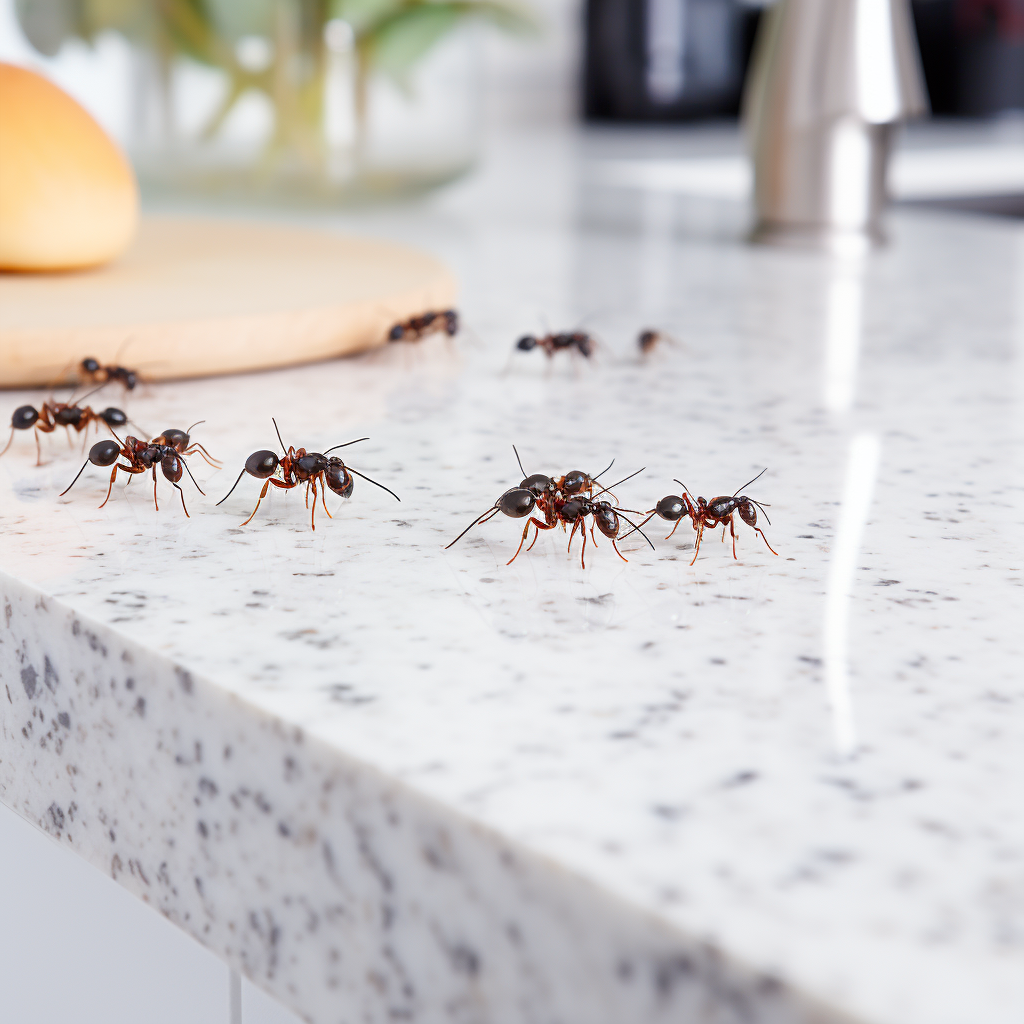

If you have ever found a line of ants marching across your kitchen counter or heard an unexpected scratching noise in the walls, you likely understand the frustration of dealing with household pests. When these intrusions happen, the first question that comes to mind is usually: how often should pest control be done Arkansas homeowners wonder?
Because Arkansas features a unique climate with high humidity, dense vegetation, and distinct seasonal changes, keeping bugs out requires more than just a passing effort. Treating your home only when you see a pest is often a losing battle against nature.
At Nature Guard Pest & Lawn, we believe the best approach to pest management is proactive. This guide will explore the frequency of treatments you need, how our local environment drives insect behavior, and why regular maintenance is the key to a comfortable, pest-free home.
How Arkansas Humidity & Climate Affect Pests
To determine the appropriate treatment schedule, consider the environment around your home. Arkansas is famous for its natural beauty, but the same conditions that make the state lush and green also create the perfect breeding ground for pests.
The biggest factor is humidity. High moisture levels in the air and soil provide insects like mosquitoes, cockroaches, termites, and ants with hydration. When the weather gets excessively hot and dry during the peak of summer, or when heavy spring rains flood the ground, pests are forced to seek stable environments. Your climate-controlled home, complete with air conditioning, plumbing, and a well-stocked pantry, becomes an irresistible refuge.
Because this moisture and humidity remain high for most of the year, pest pressure never truly disappears. A single treatment might clear out the bugs currently hiding in your baseboards, but as soon as the chemical barrier fades, the humid environment will rapidly push a new wave of insects toward your foundation.
Understanding Seasonal Pest Cycles
Pest activity in Arkansas operates year-round. Each season brings a new set of challenges that require a specific response.
- Spring: As the ground thaws and rainfall increases, dormant insects wake up. This is the prime time for termite swarmers, rapid ant colony expansion, and early mosquito breeding.
- Summer: The intense heat and humidity cause pest populations to explode. Wasps, cockroaches, spiders, and mosquitoes are at their most aggressive and pervasive.
- Fall: As temperatures begin to drop, pests start looking for warm places to spend the winter. Rodents, spiders, and overwintering insects frequently migrate indoors.
- Winter: While outdoor insect activity slows, mice and rats move into attics and wall voids, causing costly internal damage.
If you only treat your property in the summer, you leave your home completely vulnerable to the rodents and spiders that invade in the fall. For a complete breakdown of what to watch out for each month, read our Seasonal Pest Guide: What Homeowners Should Expect.

Assessing Your Home’s Infestation Risks
Not every house faces the exact same level of risk. The frequency of your treatments should be tailored to the specific vulnerabilities of your property.
Homes surrounded by heavy woods, thick brush, or standing water will experience significantly higher pest pressure than a house sitting in the middle of a concrete suburban development. The age and construction of your home also matter. Older homes often have settling foundation cracks, worn weather stripping, and tiny gaps around utility pipes, all of which provide easy entry points for mice and insects.
If you have just purchased a property or are moving into a new space, it is critical to evaluate these risks early. You can learn more about identifying these vulnerabilities in our article on Buying a Home in Arkansas? Why a Pest Inspection Matters Before Moving In.
Preventative Quarterly Service vs. Reactive One-Time Treatments
When deciding how often should pest control be done, homeowners generally choose between two strategies: reactive one-time treatments or preventive quarterly service.
A reactive, one-time treatment occurs when you call an exterminator after spotting a problem. While this will eliminate the immediate threat, it is inherently flawed. By the time you see a cockroach or a mouse, a much larger nest is usually already established behind your walls. You end up paying to fix damage and clear out large infestations rather than preventing them.
Preventative quarterly service, on the other hand, stops pests before they cross your threshold. A professional technician visits your home every three months to reapply a protective barrier around the exterior perimeter. This timing is intentional. Most modern, low-toxicity pest control products are designed to break down naturally in the environment after about 90 days.
By refreshing this barrier quarterly, you ensure there are never any gaps in your home’s defense. This proactive approach catches minor issues, such as a new wasp nest or a small ant trail, before they grow into massive, expensive headaches.
Why You Need Year-Round Protection
Pest control is not a one-and-done chore; it is an ongoing maintenance task just like mowing your lawn or changing your HVAC filters. If you want to dive deeper into the benefits of continuous defense, we highly recommend reading Do You Need Year-Round Pest Control? A Homeowner’s Guide.
Local expertise also plays a massive role in maintaining a barrier that actually works. A provider who understands the specific soil types, weather patterns, and insect species in your area can customize your quarterly treatments to match the current environmental threat. Discover how we tailor our methods for specific communities by exploring Local Pest Control Solutions for Bentonville Homes and Businesses.
How Nature Guard Pest & Lawn Can Help
At Nature Guard Pest & Lawn, we know that generic, cookie-cutter solutions do not work for Arkansas homes. We focus on real homeowner needs and deliver professional services that target the root cause of the infestation. Check out our Google reviews and see why over 700 of your neighbors trust our services, with an average rating of 4.9 stars.
Our technicians conduct thorough inspections to identify your property’s unique risk factors. We design a customized quarterly maintenance plan to disrupt pest breeding cycles and strengthen your exterior walls. We use highly effective, environmentally responsible products that are tough on bugs but safe for your family and pets. We do not just react to pests; we keep them out permanently.
Secure Your Home Today
Protecting your property from destructive and unsanitary pests requires a consistent, strategic approach. You no longer need to guess how often you should schedule service or wait until a swarm of ants forces your hand. When considering how often should pest control be done in Arkansas, partnering with a dedicated local expert for quarterly preventive maintenance is the best way to enjoy absolute peace of mind year-round.
Do not let pests dictate how comfortable you feel in your own living space. If you are ready to establish a reliable, year-round defense plan tailored specifically for your property, we are here to help. Contact the team at Nature Guard Pest & Lawn today to schedule an appointment and keep your home pest-free for good.