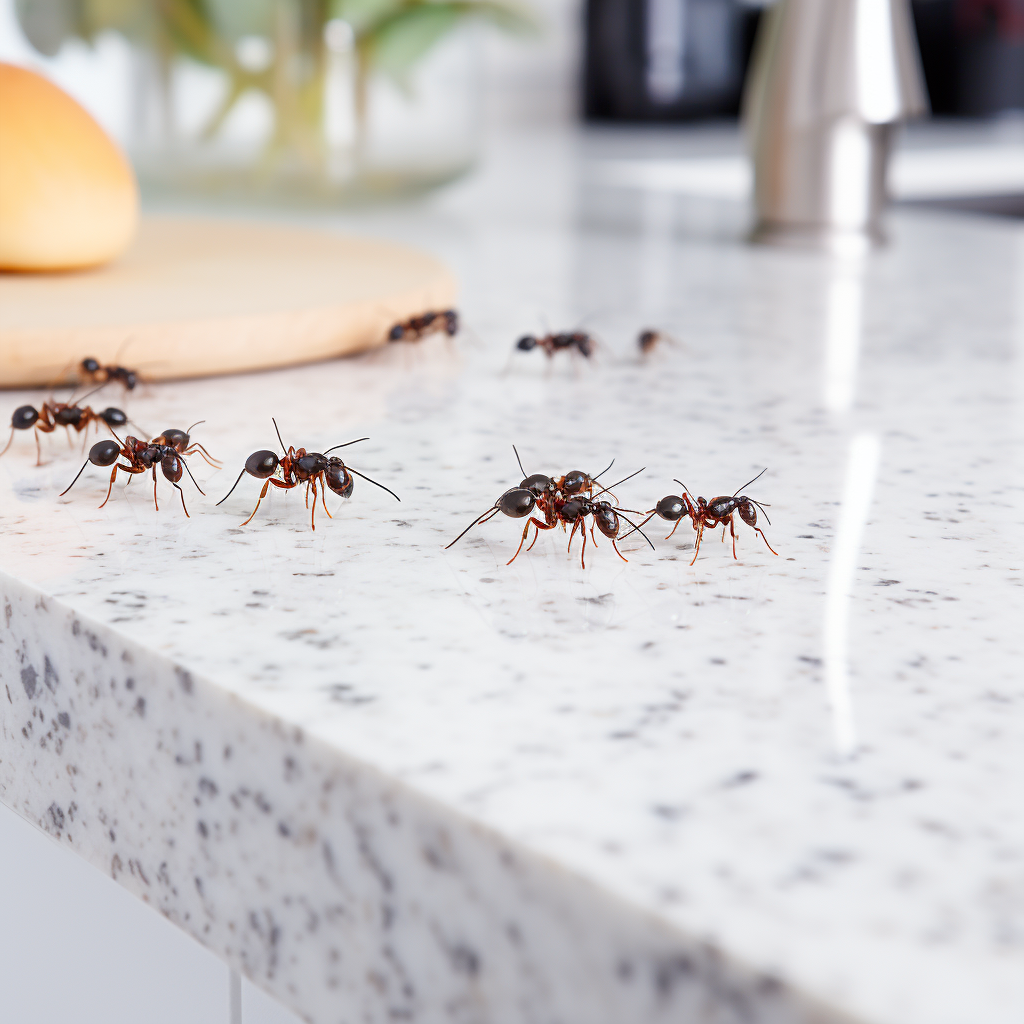


Discovering a mouse scurrying across your kitchen floor is a frustrating and unsettling experience. It instantly makes you wonder: how do mice get in house Arkansas so easily? The truth is, these agile rodents are notorious for exploiting the tiniest vulnerabilities around your home. They can squeeze through shockingly small openings, often going entirely unnoticed until a full infestation takes hold.
This behavior becomes especially apparent during the fall and winter months. As temperatures plunge, pests actively seek warm shelter and reliable food sources indoors. At Nature Guard Pest & Lawn, we understand exactly how stressful a rodent invasion can be. In this guide, we will break down the most common entry points around your property and share actionable prevention tips to keep your family safe, comfortable, and pest-free all season long.
How Do Mice Get in House Arkansas?
Many homeowners severely underestimate a mouse’s physical capabilities. If you are asking how do mice get in house, the simple answer is that they capitalize on spaces you might not even realize exist. A common house mouse can squeeze its flexible body through an opening as small as a dime. If their head can fit through a crack, the rest of their body can follow closely behind.
This incredible flexibility leaves many homes highly vulnerable to intrusion. When the weather turns cold, mice actively patrol the perimeter of residential properties. They feel for warm air escaping from tiny gaps and follow the scent of food wafting from inside. Because they are excellent climbers and jumpers, they do not just look at ground-level vulnerabilities. They will scale brick walls, climb downspouts, and use overhanging tree branches to access higher entry points. Understanding these mechanics is the critical first step in fortifying your home against unwanted winter guests.
Common Mouse Entry Points in Arkansas Homes
Finding where rodents are entering your property requires a keen eye and a thorough inspection. Let’s explore the primary vulnerabilities that mice use to infiltrate your living spaces.
Gaps in Foundations & Exterior Walls
Over time, the structural settling of your home can create tiny stress cracks in the concrete foundation. While these microfractures may seem harmless, they provide entry points for rodents. Ground-level openings around basement windows, deteriorated brick mortar, and small gaps between the foundation and the siding are prime entry points for mice and home vulnerabilities. Mice will use their sharp teeth to gnaw at these weak spots, widening the cracks until they can slip inside comfortably.
Garage Doors & Entry Points
Garages are notorious weak spots for pest control. Worn weather stripping along the bottom of a garage door creates an easy, flexible barrier that mice can quickly chew through or push aside. Gaps along the side edges of the door or around the frame also provide frequent opening access. Since garages are opened and closed constantly throughout the day, a quick, opportunistic mouse can simply run inside while you are pulling your car in, hide among storage boxes, and then move into the main house.
Attic Vents & Roof Openings
Mice are surprisingly skilled climbers. They frequently use vines, branches, and textured siding to reach your roof. Once there, they look for unscreened vents, damaged soffits, and roofline gaps. Many older attic vents lack the heavy-duty wire mesh required to keep pests out. If a louver is bent or a fascia board is rotting from water damage, mice will chew right through the weakened wood to build a warm, insulated nest in your attic.
Utility Line & Pipe Openings
Modern homes have dozens of pipes and wires connecting the indoors to the outside world. Plumbing penetrations, HVAC lines, and electrical entry points often have small gaps where the utility line meets the exterior wall. Contractors sometimes leave extra space around these pipes to allow for expansion and contraction. Unfortunately, if these gaps are not properly sealed, they answer the question of how do mice get in house Arkansas so frequently.
Why Do Mice Move Indoors in Arkansas?
As the year ends, you might notice more rodents in and around your home. This is because cooler fall and winter temperatures change their behavior. When their natural outdoor food supply of seeds, berries, and insects disappears, mice must find new resources.
They search for three main things:
- Warmth: Your climate-controlled home provides the perfect escape from the cold.
- Food: A fully stocked pantry offers an endless buffet.
- Shelter: Insulated walls and hidden corners are ideal for nesting.
Mice can follow warm drafts escaping from tiny cracks in your home to find their way inside. To learn more about this seasonal shift, read our guide on Why Winter Pest Control Matters in Arkansas: And Which Pests to Watch For.
How to Keep Mice Out of Your Home
Knowing how do mice get in house allows you to take proactive steps. Here’s how you can prevent them from entering your home:
- Seal cracks and entry points: Walk the perimeter of your home and use silicone caulk or steel wool to seal any openings. Mice can’t chew through steel wool, making it an effective barrier against small gaps around utility pipes.
- Install door sweeps: Add heavy-duty door sweeps to all exterior doors, especially the one leading from your garage into your home.
- Cover vents: Use fine, galvanized metal mesh to cover attic and crawlspace vents to block climbing rodents.
- Store food securely: Keep pantry food in airtight plastic or glass containers. Rodent teeth can easily tear through cardboard boxes and thin plastic bags.
- Maintain landscaping: Trim shrubs and tree branches so they are at least three feet away from your roof and siding.
- Reduce clutter: Mice love to nest in old cardboard boxes and piles of newspapers. Clear out clutter in your garage, basement, and attic to remove potential hiding spots.
When DIY Prevention Isn’t Enough
Sometimes, despite your best efforts to prevent them, mice still find a way inside. If you notice signs of an active infestation (such as small, dark droppings in your cabinets, scratching noises inside your walls at night, or gnaw marks on food packaging), it is time to take immediate action.
DIY traps can catch a few stragglers, but they rarely solve the root of the problem. Mice reproduce at an astonishing rate, meaning a small issue can quickly become a full-blown infestation. Full removal requires a strategic approach. For more details on tackling an active problem, read Mice in Arkansas Homes: How to Get Rid of Them This Fall. If the situation is overwhelming, you will benefit immensely from professional rodent control services.
Local Expertise Matters in Arkansas
The specific climate in Arkansas, with its high humidity, frequent rainfall, and distinct seasonal changes, heavily impacts how rodents behave and where they nest. Relying on local knowledge is crucial for effective pest management. An expert who understands local weather patterns will know exactly when and where to apply exclusion methods.
Local technicians understand the architectural quirks of homes in our region, enabling them to pinpoint hidden vulnerabilities more quickly than generic services. For more insights on regional strategies, check out Local Pest Control Solutions for Bentonville Homes and Businesses. Working with a local team ensures your home is protected against the unique pest pressures of our state.
Thanks for Reading!
Understanding exactly how do mice get in house Arkansas helps you prevent devastating infestations before they ever start. By identifying common rodent entry points (like foundation cracks, garage door gaps, and utility penetrations), you can take proactive steps to secure your perimeter. Do not wait until you hear scratching in the walls to take action.
At Nature Guard Pest & Lawn, we are dedicated to keeping your family safe and your home pest-free. We pride ourselves on delivering top-tier service, and we invite you to check out our Google reviews to see why we have earned 4.9 stars from 700+ satisfied homeowners.
If you need help identifying entry points or removing an active infestation, we are ready to assist. Please contact our team today to schedule your comprehensive rodent inspection. Our team is here to help!