

Few yard pests cause as much frustration in Arkansas as fire ants. They build mounds across lawns, deliver painful stings, and seem to return no matter how often you knock the colony down. If you have ever stepped near a mound and felt that burning sting, you already know why these ants get so much attention.
This guide from Nature Guard Pest Control will help you identify fire ants, understand why they thrive here, and learn what actually works to keep them out of your outdoor spaces.
How to Identify Fire Ants in Arkansas
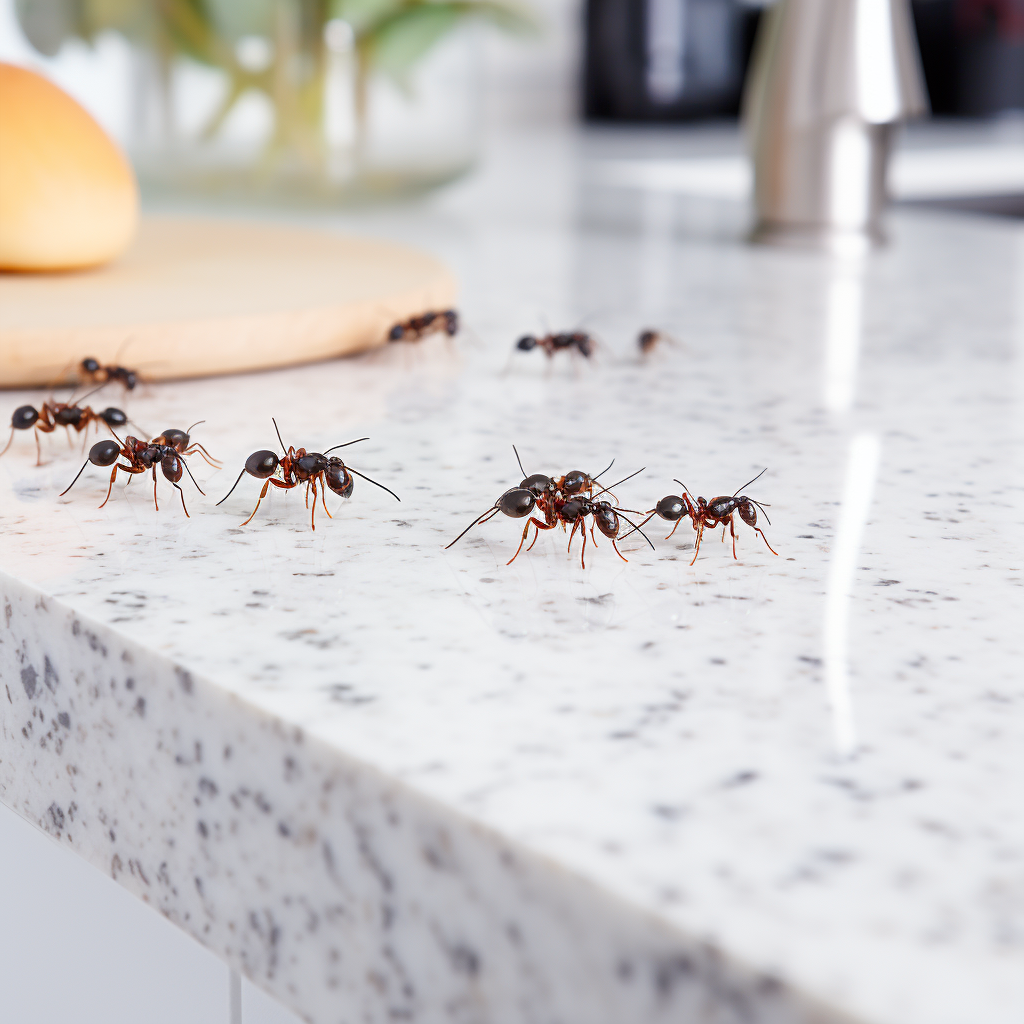
Fire ants are small, usually between an eighth and a quarter inch long, with a reddish-brown to copper color and a darker rear section. What sets them apart is their behavior. When their mound is disturbed, they swarm quickly and sting aggressively, often in groups.
Arkansas is home to many ant species, and not all of them are a threat. You can learn more about the common types in our overview of ant species found across Arkansas.
What Sets Fire Ants Apart
A few clues help you tell fire ants from harmless ants:
- Aggression: Most native ants scatter when disturbed. Fire ants attack.
- Stinging, not just biting: Fire ants grip the skin, then sting and inject venom.
- Color and size variation: Within a colony, workers vary slightly in size.
If you notice ants that boil up out of the ground when you step nearby, you are very likely dealing with fire ants.
What Fire Ant Mounds Look Like and Where They Appear
Fire ant mounds are one of the easiest ways to confirm an infestation. They look like loose, dome-shaped piles of soil with no visible opening on top. Unlike other ant hills, fire ant mounds do not have a central hole because the ants enter and exit through underground tunnels.
You will commonly find these mounds in:
- Open, sunny areas of the lawn
- Along driveways, sidewalks, and fence lines
- Near garden beds and irrigation lines
- Around the base of trees or utility boxes
Mounds often appear or grow quickly after rain, when ants push fresh soil to the surface.
Why Fire Ants Are So Widespread in Arkansas
Arkansas offers nearly ideal conditions for fire ants. The warm, humid climate, mild winters, and frequent rainfall give colonies the moisture and warmth they need to grow and reproduce year after year.
Their spread is also helped by human activity. Fire ants travel easily in landscaping soil, mulch, potted plants, and hay. Once a colony establishes itself in a neighborhood, it can move from yard to yard with little effort.
The Risks of Fire Ant Stings
Fire ant stings are painful for a reason. When ants sting, they inject venom that causes a sharp, burning sensation, followed by red welts. Within a day or two, many stings turn into small white pustules that can itch for a week.
Because fire ants sting in groups, a single encounter can leave dozens of marks at once.
Concerns for Children, Pets, and Allergy Sufferers
Some members of your household face higher risks:
- Children often play in the grass and may not notice a mound until they are standing on it.
- Pets can disturb mounds while digging or sniffing and get stung on the paws, nose, or belly.
- Allergy sufferers may react severely. For a small number of people, stings can trigger swelling, difficulty breathing, or other reactions that need medical care.
If anyone in your home has a known insect sting allergy, treat fire ant activity as a safety issue, not just a nuisance.
Why Fire Ant Colonies Spread Quickly and Are Hard to Eliminate
A single fire ant colony can hold hundreds of thousands of workers and one or more egg-laying queens. As long as a queen survives, the colony can rebuild.
Colonies also expand by sending out new queens during mating flights. These queens land in new areas and start fresh mounds, which is how one infested yard can lead to several nearby mounds in a single season.
This is the core reason fire ants are so stubborn. Killing the workers you can see does little if the queen deep underground remains untouched.
Why DIY Treatments Often Fail
Many homeowners try store-bought sprays, boiling water, or home remedies, pouring them over the mound. These methods may kill surface ants, but they rarely reach the queen.
Common DIY problems include:
- Surface-only results: Treatments kill visible ants while the colony survives below.
- Colony budding: Disturbing a mound can cause it to split into several new mounds.
- Inconsistent coverage: One mound may be treated while others nearby go unnoticed.
For a closer look at lasting solutions, our guide on safe and effective ant extermination in Arkansas explains how full-colony control works.
When to Call a Professional
It may be time to bring in a professional when you notice:
- Multiple mounds across the yard
- Mounds that return after repeated treatment
- Fire ants near play areas, patios, or entry points
- A household member with a sting allergy
Professional treatment targets the entire colony, including the queen, and uses methods designed for Arkansas conditions. You can find more local pest guidance in the Nature Guard knowledge hub.
Prevention Tips for Arkansas Homeowners
You can lower the chance of future infestations with a few steps:
- Keep grass trimmed and remove yard debris.
- Fix leaks and reduce standing water that attracts ants.
- Inspect new mulch, soil, and plants before adding them to your yard.
- Seal gaps around foundations, doors, and utility lines.
- Check your property regularly so you catch new mounds early.
Get Lasting Relief From Fire Ants
Fire ants are tough, but you do not have to manage them alone. If mounds keep returning or you are worried about stings around children and pets, the team at Nature Guard can develop a safe, effective treatment plan for your property. Reach out today and take back your yard with confidence.