
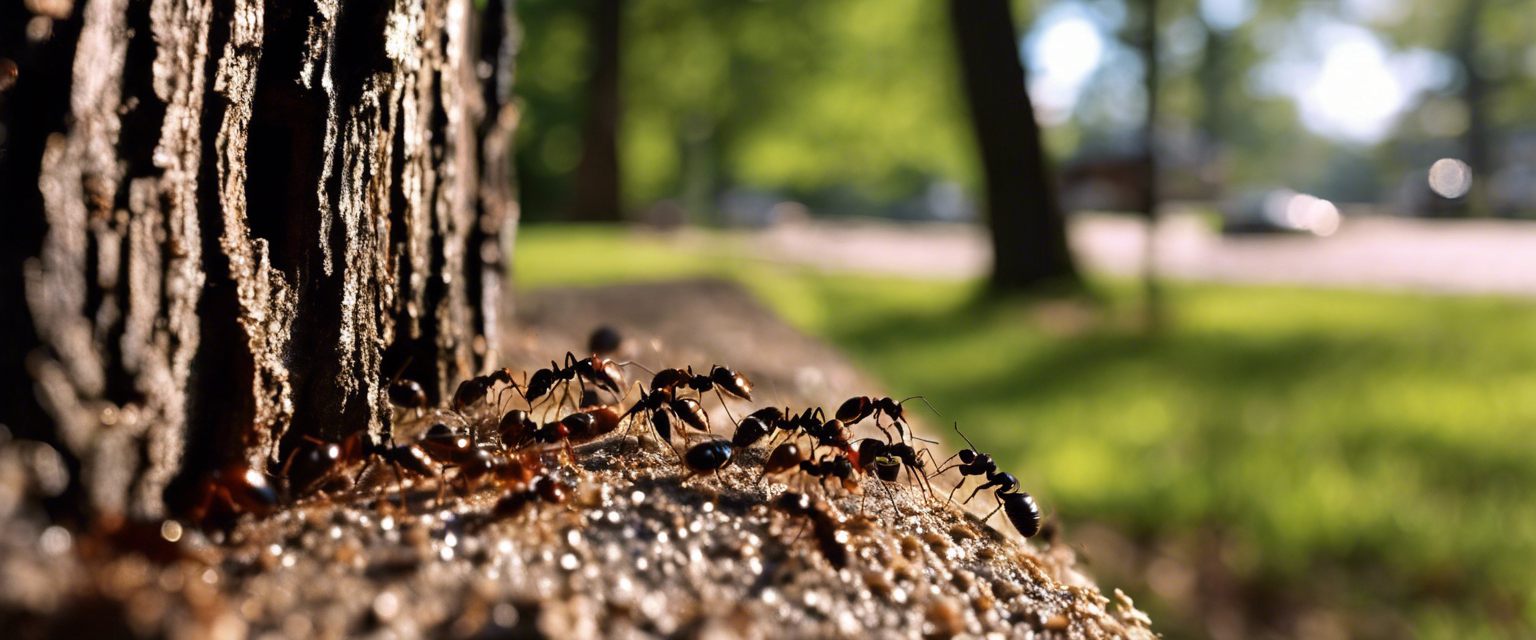
So, you’ve found yourself in the fascinating world of ants—Northwest Arkansas edition. While many species play important roles in the environment, some can become unwelcome guests in homes and businesses.
From carpenter ants and fire ants to thief ants, little black ants, and Argentine ants, understanding the differences between these common species can help homeowners identify potential issues before they become larger infestations.
In this guide, we’ll explore some of the most common ants found throughout Northwest Arkansas and discuss when professional assistance from Nature Guard Pest & Lawn may be beneficial for managing persistent ant activity.
Key Takeaways
- Fire ants are an aggressive species with painful stings, build large mounds, and feed on a variety of substances.
- Thief ants are tiny scavengers that invade homes, steal food, and can cause contamination and structural damage.
- Little black ants, also known as sugar ants, are attracted to sweets and can nest both outdoors and indoors.
- Acrobat ants are small ants that nest in moist or rotting wood and exhibit unique behaviors, such as acrobatics and trail-making.
Fire Ants
Fire ants, known for their aggressive behavior and painful stings, are common throughout Northwest Arkansas. These reddish-brown species have a wide head and large jaws, and they build mound-shaped nests of dirt up to 18 inches high.
Fire ants feed on a variety of food sources, including plants, seeds, honeydew, sweets, grease, and even live animals. Their stings can be dangerous to both pets and humans, requiring effective control and abatement strategies.
The University of Arkansas, Division of Agriculture, Cooperative Extension Service website provides fact sheets, insecticide recommendations, and guidance on fire ant control methods. Additionally, the U.S. Department of Agriculture has imported parasitic flies to weaken and eventually eradicate fire ant colonies.
These efforts aim to manage fire ant populations in Arkansas and ensure the safety and well-being of the community.
Thief Ants
Thief ants, a common nuisance in Northwest Arkansas, are tiny scavenging ants that enter homes through small cracks and crevices. Here are some important facts about thief ants:
- Food thieves: They steal food from other insects and feed on immature stages of ants, cockroaches, flies, and spiders.
- Sneaky dwellers: These ants nest inside walls, floors, insulation, and small voids, making them difficult to detect and control.
- Food contamination: In large populations, food can be contaminated, posing a risk to your health and safety.
- Structural damage: While not as destructive as carpenter ants, thief ant infestations often go unnoticed and can cause structural damage over time.
To protect your home, it’s crucial to address thief ant infestations promptly. Consider seeking professional pest control services to effectively eliminate these tiny intruders.
Little Black Ants
Little Black Ants, also known as sugar ants or odorous house ants, are tiny dark-colored species commonly found in Northwest Arkansas. These ants measure between 1/16 and 1/5 inch long and are attracted to sweets. When crushed, they emit a strong foul odor.
Little Black Ants build their nests outdoors under rocks, logs, or mulch, and indoors in wall voids or under floors. They can cause infestations in homes, especially if moisture is present. According to the University of Arkansas Division of Agriculture’s Department of Entomology, these ants are a common nuisance in the area. The Department of Agriculture advises homeowners to eliminate potential nesting sites and seal any cracks or openings to prevent infestations.
It is important to be vigilant and take measures to control these invasive species.
| Facts About Little Black Ants: | |
|---|---|
| Size: | 1/16 to 1/5 inch long |
| Attracted to: | Sweets |
| Nesting Sites: | Outdoors and indoors |
| Common in: | Northwest Arkansas |
| Control Measures: | Eliminate nesting sites, seal openings |
Acrobat Ants
Acrobat ants, small ants with light brown to black bodies and distinctive heart-shaped abdomens, are known for their ability to hold their abdomens over their heads and thoraxes. Here are some key facts about this unique species:
- They nest in moist or rotting wood: Acrobat ants prefer to make their homes in decaying trees or in wood that has been water-damaged. They’re often found in areas with easy access to food, such as tree stumps.
- They can cause significant nuisance: While not as damaging as carpenter ants, acrobat ants can still be a nuisance pest. They’re attracted to sweet and sugary substances, making them a common annoyance in homes.
- They look similar to other ants: It can be challenging to identify acrobat ants since they resemble other ant species. Their distinctive heart-shaped abdomens are a key characteristic to look for.
- They exhibit unique behaviors: Acrobat ants are known for their acrobatic ability, but they also display other interesting behaviors, such as trail-making and foraging in large groups.
Understanding these facts about acrobat ants can help you identify and manage their presence effectively.
Argentine Ants
Are Argentine ants a threat to local ecosystems and human environments in Northwest Arkansas?
Argentine ants, originating from South America, have become a significant concern in the United States, including Northwest Arkansas. These tiny ants, measuring about 1/8 inch in length, are known for their light-to-dark brown color. They form large colonies with multiple queens and can displace native ant species in the area.
Argentine ants pose a threat to local ecosystems and human environments due to their voracious appetite and easy access to food. Feeding on sweets, proteins, and insects, they can cause nuisance infestations in homes and disrupt the balance of the natural environment.
Their resilience and large colony sizes make them particularly challenging to control.
Frequently Asked Questions
What Kind of Ants Bite in Arkansas?
In Arkansas, common ant species like fire ants, carpenter ants, and little black ants can bite. To prevent ant bites, keep your home clean and dry. If bitten, apply a natural remedy like aloe vera. Don’t believe the misconception that all ants bite.
What Are the Big Black Ants in Arkansas?
The big black ants in Arkansas are carpenter ants. They tunnel into wood and are most active in spring and summer. Unlike many ant species, they can damage your home.
How Do I Know What Kind of Ants I Have?
To identify the species you have, look for signs of infestation and understand their behavior. Prevent entry into your home, use natural remedies in your garden, and consider DIY or professional extermination.
What Is the Most Common Type of Ant?
The most common type of ant varies by region. Different species have unique behaviors and habits. To control and prevent ants in your home or garden, try using baits and sealing entry points. Ants play a crucial role in ecosystems and have fascinating biology.
Contact Nature Guard Pest & Lawn Today!
If you’re seeing trails of ants in your kitchen, noticing mounds in your yard, or dealing with recurring infestations around your property, professional assistance can help identify the source of the problem and provide long-term solutions.
Nature Guard Pest & Lawn provides comprehensive ant control services throughout Northwest Arkansas. Our experienced team can identify the species involved, locate nesting areas, and implement targeted treatment plans designed to help reduce current activity and prevent future infestations.
In addition to ant management services, Nature Guard Pest & Lawn offers year-round home protection programs, termite services, mosquito reduction, lawn care solutions, and treatments for many of the common insects and rodents found throughout the region.
Looking for a trusted local provider? Check out our Google reviews and see why your neighbors trust our services. Nature Guard Pest & Lawn is proud to maintain a 4.9-star rating with 700+ reviews. Our reputation is built on responsive service, knowledgeable technicians, and a commitment to helping homeowners protect their properties.
Don’t let a small ant problem become a larger headache. Contact Nature Guard Pest & Lawn today to schedule an inspection and learn how our customized treatment programs can help protect your home and family year-round.